Current situation
The number of Bluetongue cases confirmed in the UK since 1st July 2026 continues to rise very quickly, the with number of confirmed cases increasing daily.
Warm weather has brought the risk period forward by creating favourable conditions for biting midges, the insects that spread the virus, to become active earlier than many farms expected.
The disease has been confirmed across England and Wales, with the Southwest of England especially impacted. In Wales, Bluetongue has been identified in Powys, Vale of Glamorgan, Ceredigion and Monmouthshire.
You can stay up to date on the current number of cases and the clinical signs that are being reported by looking on Gov UK here.
What is Bluetongue and what are the symptoms?
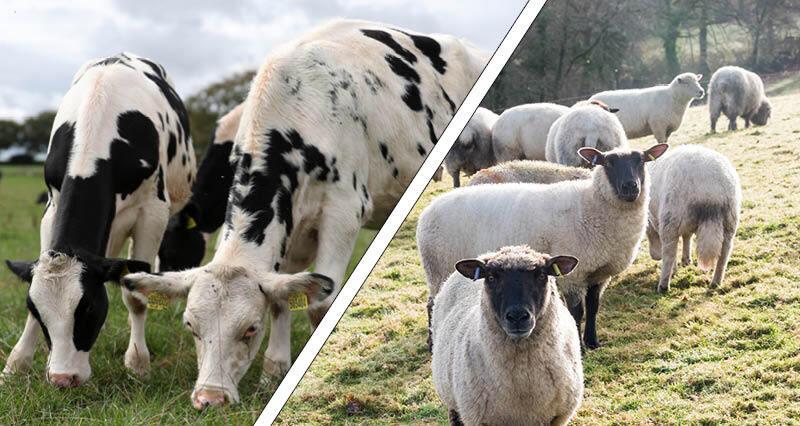
Bluetongue is a viral disease that is spread by biting midges and it affects sheep, cattle, other ruminants (e.g. goats and deer) and camelids (such as lamas and alpacas). BTV-3 is the serotype of Bluetongue most commonly found in the UK during this outbreak, but cases of BTV-8 (another serotype of the disease) have also been found in England this year.
Symptoms vary across ruminants, but include fever, lesions, redness of the mouth, eyes, nose, reddening of the skin above the hoof, excessive salivation and nasal discharge. Bluetongue infection in pregnant animals can also result in abortion, foetal deformities, or weak offspring. However, animals may also show little or no clinical signs.
It does not affect humans or food safety – meat and milk from infected animals are also safe to eat and drink.
For more information on the signs and symptoms of bluetongue, visit: Welsh Government | Bluetongue
Bluetongue is a notifiable animal disease and keepers are encouraged to remain vigilant. Suspected cases must be reported immediately to APHA by telephoning 0300 303 8268. Keepers also have a legal duty to report any abortions or deformed calves.
What are the rules around Bluetongue?
An all-Wales restricted zone was introduced on 10 November 2025 and remains in place. This means that:
· Free movement of livestock – livestock can move freely within Wales and between England and Wales. There is no requirement for bluetongue vaccination or mitigation measures, meaning there is no pre-movement testing or licencing required.
· If Bluetongue is identified, there are no restrictions on individual animals or on the farm and there is no compulsory culling of infected animals.
· Continued restrictions on germinal products – you must continue to test donor animals before freezing and marketing germinal products, as this provides quality assurance and reduces the risk of longer-term bluetongue transmission.
· Moving animals to Scotland – as Scotland remains free of Bluetongue, restrictions apply. Check the guidance on moving animals from Wales to Scotland (on gov.scot).
What about vaccination?
There are three BTV-3 vaccines authorised for use in the UK and vaccination remains the best way to protect your stock. NFU Cymru encourages all livestock keepers to discuss the potential benefits with their private vet to decide if it is right for them.
The three available vaccines are suppressive, not preventative. This means they will not prevent your animals from being infected or being infectious, although they may reduce the clinical signs experienced.
If you intend to vaccinate your animals, you should report its use within 48 hours of the date of vaccination. To report use of the vaccine, complete an online form at: GOV.UK | Report your use of the bluetongue serotype 3 (BTV-3) vaccine