The warning follows confirmation of the UK’s first highly pathogenic avian influenza (HPAI) outbreak of the 2026/27 season in Scotland. Authorities confirmed HPAI H5N5 in a backyard poultry at Ness, on the Isle of Lewis, prompting them to impose a 3km protection zone and a 10km surveillance zone around the infected premises.
The outbreak has prompted government across the UK to urge poultry keepers to review their biosecurity without delay, complete a self-assessment checklist and build good practice into their daily routine.
Everyone must play their part
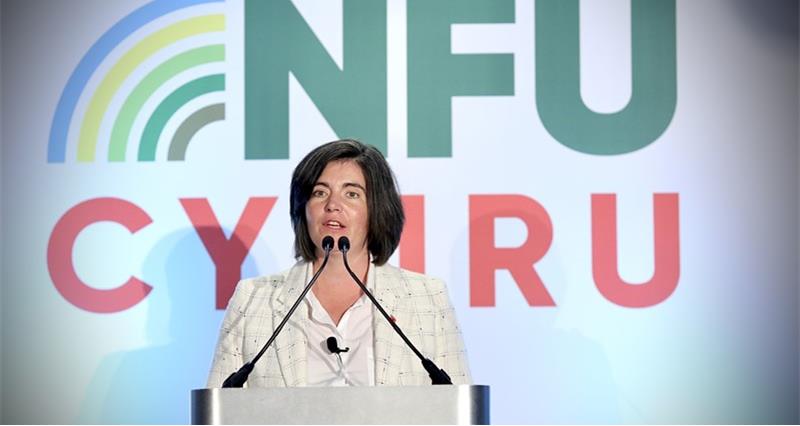
NFU Cymru Poultry Board Chair Victoria Shervington-Jones admitted the announcement confirming the AI outbreak in Scotland was a sobering moment and stated all connected with UK poultry must play their part to keep birds safe.
She said: “The yearly announcement of the first AI case of the season has, sadly, become an inevitability for poultry farmers across the UK. The consequences of this viral disease are horrendous and our thoughts are with those whose flock has been affected.
Protecting our birds is paramount
“In recent years AI has been rampant in the UK and due to the fact that it can be carried by wild birds, it’s very difficult to stop. It’s therefore imperative that we all do everything in our power - no matter the size of our flocks - to protect our birds and, in doing so, the wider sector. That starts with tightening on-farm biosecurity controls, including minimising the movement of people in and out of bird enclosures, cleaning and disinfecting footwear and equipment, netting ponds and removing food sources that attract wild birds.
“I encourage all poultry keepers in Wales to take preventative action and to remain vigilant for signs of the disease.”
Chief Veterinary Officer for Wales, Dr Richard Irvine, said: “Don’t wait until the risk increases – the time to act is now. Check you have strict hygiene and biosecurity in place at all times as this is the single most effective way to protect your birds from avian influenza.
Simple, consitent measures
“Simple, consistent measures, such as keeping bird areas and housing clean, limiting unnecessary visitors, and preventing contact with wild birds, all help reduce the risk of disease getting in.
“I want to thank the bird keepers across Wales who remain vigilant and report any suspect signs of disease promptly to APHA. Your continued attention to biosecurity plays a vital part in protecting flocks across the country.”
Clinical signs of avian influenza may include a swollen head, blue discolouration of the neck and throat, loss of appetite, respiratory distress, diarrhoea, a drop in egg production, and increased mortality.