We are working on behalf of farmers and growers to mitigate the challenges posed by the prolonged period of dry weather.
On this page you'll find information on:
- Impacts of the continued dry weather
- Links to NRW and AHDB resources
- Drought status for Wales
- Our longer term key asks - plan, protect, pay
By following these links, you'll find other relevant information on NFU Cymru:
- Fire and Rescue Service give fire prevention advice to farmers
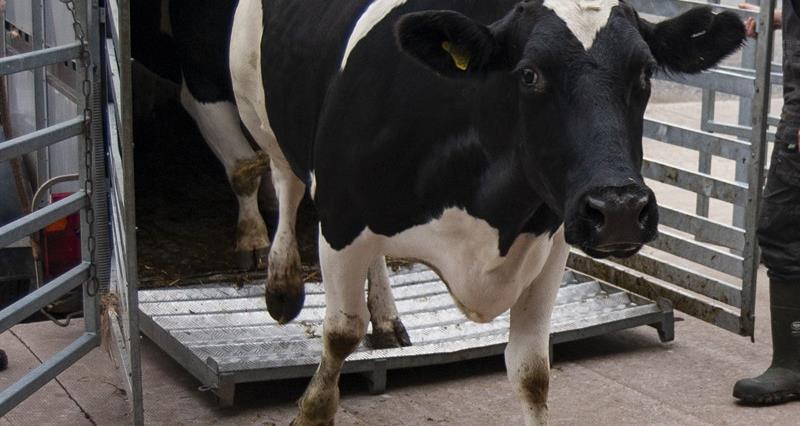
- Transporting livestock in hot weather
- Staying safe while working in hot weather
Impacts of the continued dry weather
As a result of the dry weather observed across Wales in recent months, many farmers are already experiencing a range of effects.
- Grass growth
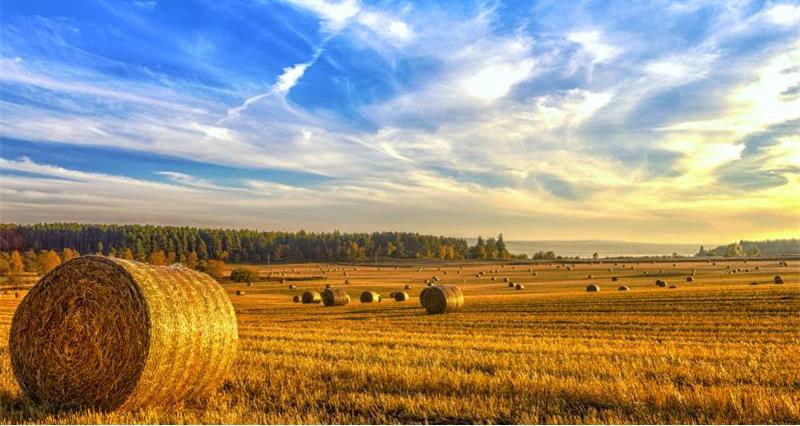
On-farm impacts include reduced rates of grass growth needed for grazing livestock and also second and third crop silage, therefore impacting stocks of fodder for forthcoming winter. This is being compounded by the fact that some farmers are having to feed their winter fodder now or graze what would have been their second or third crop.
The lack of grass also means that some farmers are having to buy in supplementary feed to, for example, creep feed lambs for finishing which is adding costs. Farmers are also making the decision to reduce stocking levels.
- Water supply
We are receiving reports that spring-fed water supplies, streams and boreholes are becoming unreliable and we have also had reports of lower pressure from mains supply in certain areas, particularly where farms are adjacent to other users such as caravan parks etc.
- Irrigation ponds/reservoirs
Some farmers are reporting that these are now emptying with impacts on growers who are unable to irrigate their crops with the result that some crops are dying off early. Lower than average yields could be expected for some crops as a result.
- Fire risk
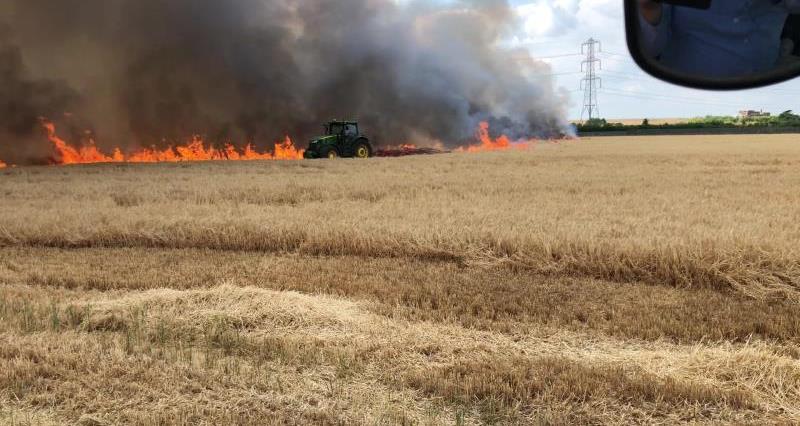
There is also a risk of wildfire, barn fires and field fires where mechanical operations such as combining or baling is taking place in tinder dry conditions.
NRW, Welsh Government and AHDB information and resources
There is a lot of useful information on the AHDB website.
On the pages below you'll find cross-sector analysis of the potential market impact of this weather as well as advice on planning for and coping with weather events of all kinds.
- AHDB | Knowledge Library | Drought
- AHDB | Knowledge Library | Weather
- AHDB | Agri Market Outlook: February 2025
The latest grass growth and quality figures can be found on AHDB's interactive Forage for Knowledge dashboard, along with the latest updates and resources.
Natural Resources Wales (NRW) have advice for farmers in periods of dry weather.
Waterwise’s website provides details on how to use water wisely. Wales’ water companies, Dŵr Cymru Welsh Water (DCWW) and Hafren Dyfrdwy (HD), also offer advice to customers on their websites on how to save water.
Drought status for parts of Wales
Following the extended period of warm and dry weather, Natural Resources Wales (NRW) confirm that the trigger thresholds have been met to move the whole of Wales from ‘normal’ into ‘prolonged dry weather’ status on 22 May 2025
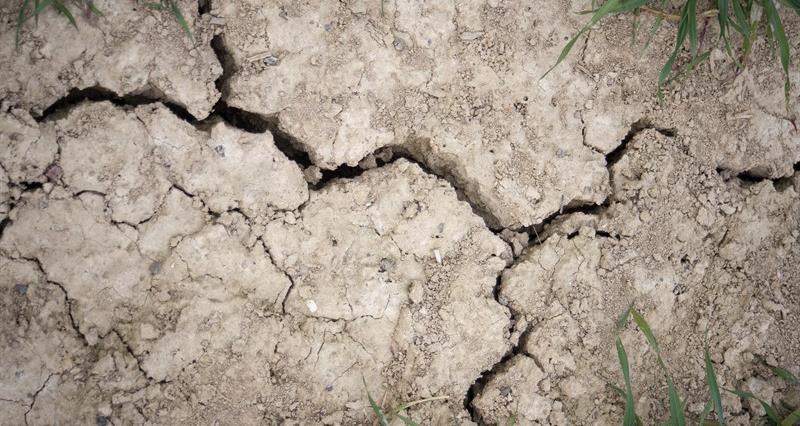
The decision was based on hydrological and environmental factors and concerns around the pressures high temperatures and lack of significant rainfall has placed on rivers, groundwater levels, wildlife and the wider natural environment across Wales.
Following an exceptionally dry March, which was the driest since 1944, April saw some notable rainfall in parts of Wales, but warm dry conditions returned in May.
The three-month (February-April 2025) cumulative Wales rainfall was 59% of that expected for that time of the year. This equates to one of driest three month equivalent periods on record.
As such, teams across NRW reported the majority of river flows are currently low or exceptionally low. Groundwater monitoring also confirmed levels receding earlier than would usually be expected in the year.
Dŵr Cymru Welsh Water and Hafren Dyfrdwy are also reporting some water levels in reservoirs are below where they would usually be at this time of year, but variation across their operating areas, reflecting where rain has fallen.
Welsh farming's longer term requirements
Plan
- Farmers are observing an increasing risk of consecutive extreme weather events with less time for farm businesses to recover. Future agricultural policy should include volatility/stability measures including those designed to help farmers cope with the extremes in weather and climatic events
- Action is required to ensure there is a need for a more equitable share of climate risk across the supply chain
- Farmers, now and in the future, should have a fair share of available water to grow our food, with improved security of supply at times of water scarcity
Protect
- Develop policy measures to support farmers in managing the impacts and market-related volatility, including droughts and water scarcity
- Deliver maximum and timely flexibility in the application of water abstraction rules
- Make prompt payments and introduce rapid derogations to rules governing agri-environment schemes
- Remove blockages in the planning and licensing regulations that impede the construction of more on-farm water storage reservoirs
Pay
- Introduce incentives through the tax systems to encourage investment in farm reservoirs and schemes to encourage water efficiency measures delivering more crop per drop
- Invest in improved monitoring and measuring of abstraction to make best use of available water
- Continue investment in the UK’s weather forecasting capability, especially in the medium-term forecasts and those aligned to real-time water availability monitoring, to support drought planning