Use these links to jump to information on:
Latest situation
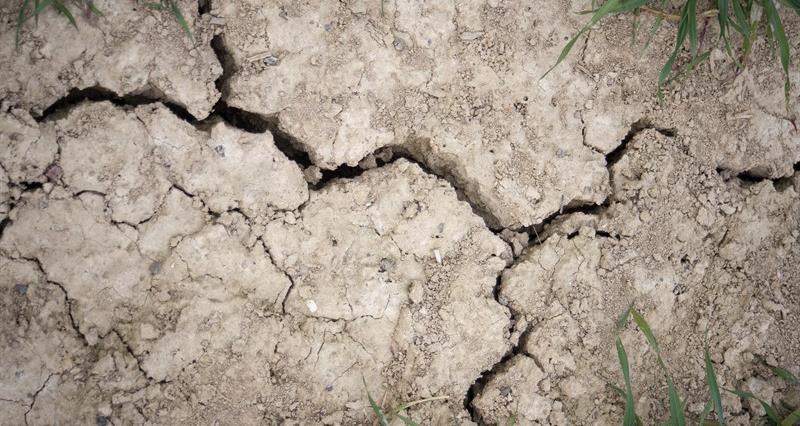
Natural Resources Wales (NRW) has confirmed that following an exceptionally dry spring and early summer, South East Wales moved to a 'drought' status on 14 August and North Wales moved to a 'drought' status on 29 August.
This announcement comes as the rest of Wales remains at ‘prolonged dry weather’ status.
The stats
During July, Wales as a whole only received 63% of the long-term average rainfall.
North Wales had 76.7%, South East had 52.5% and South West had 54.5%.
This followed a dry spring and Wales has recorded the driest six month period February to July since the drought of 1976.
Forage Aid
The Addington Fund has launched a 2025 dry weather emergency grant, with input from the NFU, for farmers struggling to feed stock due to the ongoing drought.
They may be able to help with a one-off grant or supply of feed/fodder or straw to help prevent animals from suffering from lack of feed or bedding.
If you are a working farmer and your main income is from farming an agricultural holding, the Addington Fund may be able to help if you:
- have insufficient feed/fodder or straw to prevent an animal welfare issue with your livestock
- are unable to purchase feed or fodder and experiencing hardship because of the weather
- are unable to release funds yourself by reviewing stock numbers in line with available resources
- are unable to draw on any reserves/savings/or access an overdraft facility.
If you are unsure, please talk to them about your particular situation by calling 01926 620135. To apply for help, complete and return Addington's application form or email [email protected] and a form will be sent in the post.
Abstraction of water
You are likely to need to apply for a licence if you want to impound water in any watercourse or take more than 20 cubic metres (4,000 gallons) of water per day from a:
- river or stream
- reservoir, lake or pond
- canal
- spring
- underground source
- dock, channel, creek, bay, estuary or arm of the sea
Find out more about water abstraction and impoundment licences
Legal abstraction without a licence
You may legally take up to 20 cubic metres (4,400 gallons) per day, per source of supply without an abstraction licence. This is known as an exempt abstraction.
One cubic metre is 220 gallons. A tanker of 2000 gallons capacity can hold approximately 10 cubic metres. A tanker of 3000 gallons capacity can hold approximately 14 cubic metres.
However there are a number of conditions. Find out more about legal abstraction without a licence.
UK Water Resources Portal
Developed by the UK Centre for Ecology & Hydrology, the UK Water Resources Portal is a web-based tool bringing together a wealth of information on the latest hydrological situation across the UK.
It is useful for farmers and growers because it can help you to monitor and understand the current state of water resources in your local area, as well as at the regional and national scale.
The portal provides the most up-to-date available data on river flows, rainfall, soil moisture and groundwater levels from a local to a national scale, with users able to view measurements in any part of the country by clicking on an interactive map.
In addition to providing an indication of current water resources status, and early warning of potential drought or flood conditions, it also has historical records that enable comparisons to be made with long-term averages and previous significant events from the past 50 years.
NFU Cymru comment
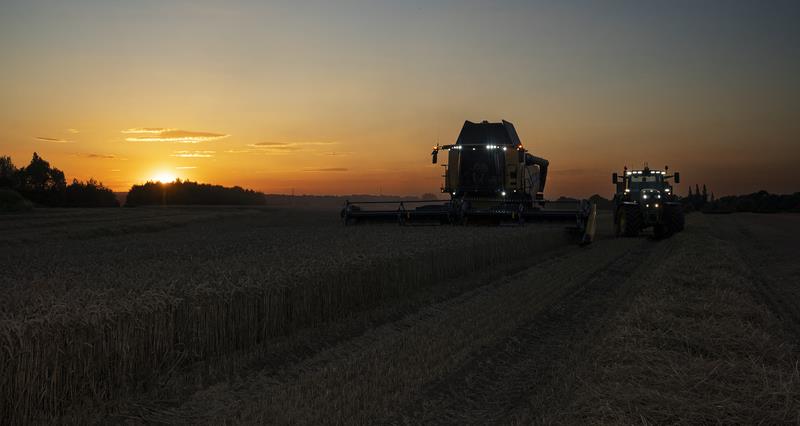
NFU Cymru Deputy President Abi Reader said: “Welsh farmers are at the forefront of extremities in the weather. Last year some struggled to get the harvest in due to the volatile wet weather, however this year with the prolonged dry, hot weather, in many parts of Wales, means farmers are reporting lower yields during harvest which will have a knock-on effect on winter feed stocks. Indeed, we are hearing of some cases where farmers are already having to give winter feed to their stock.
“The dry weather is affecting water supplies, with reports of farm wells, ponds and some boreholes running dry. The priority for livestock farms will be protecting the welfare of their animals, putting plans in place to ensure these animals’ needs are met, making sure they have access to fresh water and shade from the sun.
“Another impact of the prolonged dry weather is the increased risk of fires. We would urge farmers to keep on top of machinery maintenance, clear dust and chaff from hot spots in combines and balers, and always keep mobile phones charged and on you at all times.
What farmers need
"This goes to show how important it is that we get farm policy, like the Sustainable Farming Scheme, right, because this is what puts resilience back into farming businesses. It offers security in really difficult times and then opportunities to invest in those better years."