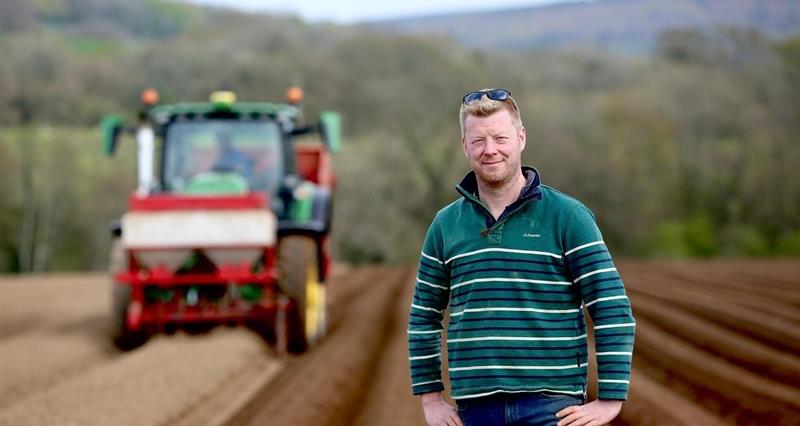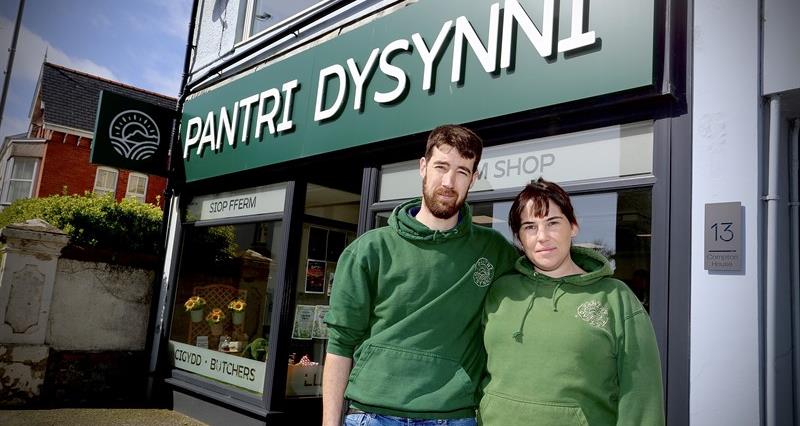
In the face of unpredictable commodity prices and weather patterns and at the whim of markets, farmers must spin many plates to turn a profit, some a full dinner service. At 36, Llion Pugh has already mastered that art, balancing the demands of livestock and poultry farming with overseeing two off-farm food businesses.
He has youth and energy on his side but his solution to keeping those metaphorical plates in the air is simple. “You just have to keep going really!’’ he laughs.
Llion and his younger brother Dewi farm with their parents, Glyn and Janet, on two holdings at Tywyn, Gwynedd.
Glyn and Janet were both born into farming families and when they married started their own farming business, firstly buying a smallholding at Ty’n Pwll as well as renting 240 acres. Later, they had an opportunity to buy 100 acres of that rented land, establishing Pencraig, since have increased that acreage to 250 acres.
It was in 2020, when Llion left his job as a lecturer at Glynllifon College to come home to farm that prompted the family to explore additional revenue streams beyond the existing sheep and beef enterprises.
Costly battle
As Glyn and Janet already had experience of poultry, producing barn eggs from 3,000 hens before giving that business up, so establishing a flock of layers seemed a natural fit for their farm. Planners and local campaigners in the Eryri National Park thought otherwise though. What followed was costly and protracted as a battle ensued to get the 32,000-bird free range poultry unit up and running.
Although the planning committee had initially giving the project its blessing, granting planning permission for it to be built, the threat of a judicial review from a local campaign group saw that consent revoked, a move that Llion says was unprecedented.
“It eventually took us three years to get the unit through planning, it was horrendous and expensive,’’ he recalls.
But with pressure on the family to create an additional enterprise to provide sufficient income to support everyone who worked in the business, it didn’t waver in its pursuit of that ambition.
“We sat down as a family and realised we had to do something because I wanted to come home to farm, Dewi was already on the farm but also working elsewhere, and the reality was that without the poultry I would still be lecturing.
“It added a year to the whole process and cost us a lot of money but when you have spent so much money trying to get planning you reach a point where you have just got to carry on and hope for the best.’’
Further opportunities
Developing that enterprise has created further opportunities too, he adds. “Since we developed the poultry we have been able to buy 80 acres, without the egg business we wouldn’t have been able to do that.’’
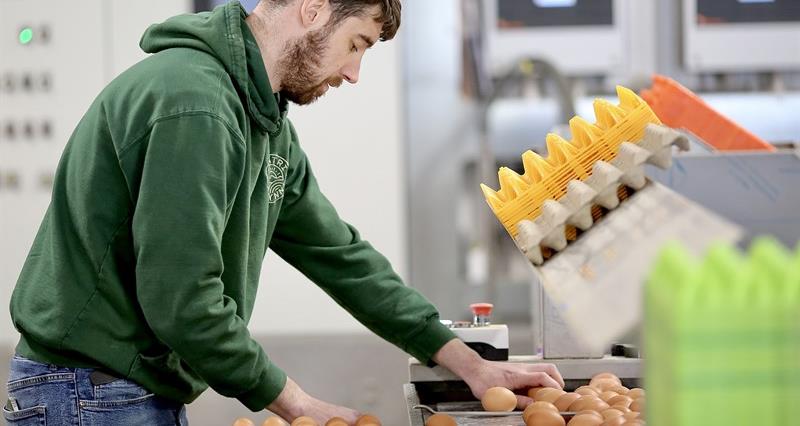
Eggs produced by Lohmann Browns are supplied to Lloyds Animal Feeds and some are sold directly to retailers across north Wales.
The egg delivery round was already in place as Llion had created it when his parents gave up their own barn egg production. “I kept a few hens after that and built up numbers to a few thousand, and delivered those to customers from Machynlleth to Dollgellau, Caernarfon and Anglesey, and across to Llandudno and Rhos on Sea,’’ he explains.
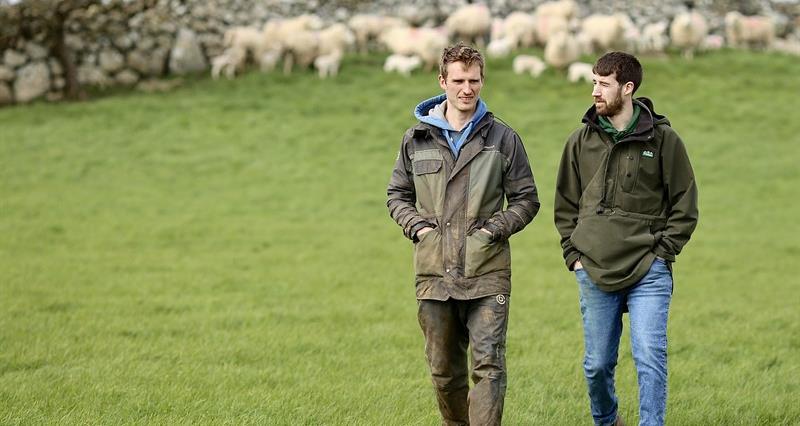
He is in charge of managing the poultry unit while Dewi runs the sheep and beef side of the business, both supported by Glyn, and Janet is responsible for the farm paperwork while also working part-time at an agricultural supplies business.
The 650-head sheep flock is mainly a Welsh ewe, sired to a Texel to lamb in March, but Dewi is beginning to introduce the Brecknock Cheviot too.
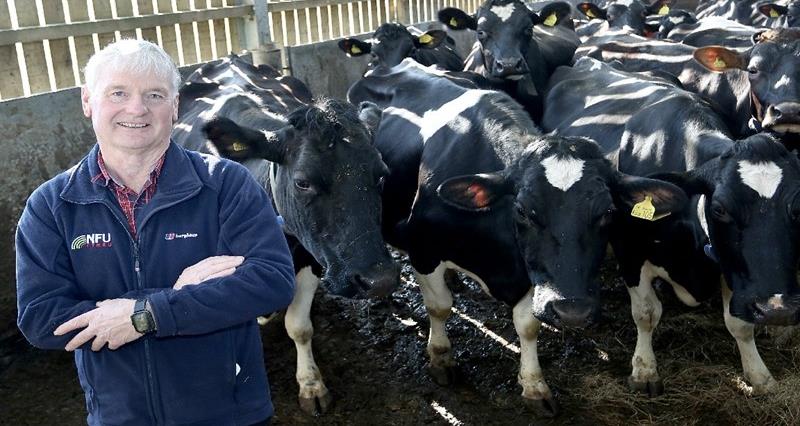
Beef is produced from a herd of 25 Aberdeen Angus suckler cows and the Pugh buy 125 dairy cross calves annually to bucket-rear and sell as stores, mainly in autumn sales in Dolgellau and Ruthin but some are fattened.
A 15-acre solar array generates further income for the farm on a 35-year agreement with the rent payments index-linked.
Beyond the farmgate
Llion’s entrepreneurial streak extends beyond the farmgate.
Last year, with his wife Lucy, he established Pantri Dysynni, a delicatessen, butchery and food retail business that encapsulates the power of independent retailing.
It was a business that morphed from ownership changes at a national retailer that operated a general food store in Tywyn.
Joining forces with two butchers and a deli operator that had were based in that shop, the Pughs opened Pantri Dysynni on the High Street in 2025 in a property they purchased.
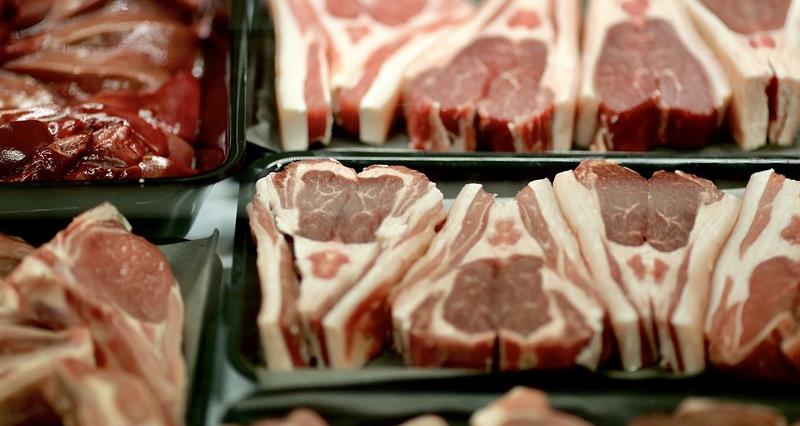
It took another £100,000 to get it up and running but a year on and Pantri Dysynni is a thriving business, selling everything from meat and baked goods to fruit, vegetables and dairy products, including their own beef and lamb.
The Pughs employ a manager, Sammy Williams to take charge of the day to day running of the shop and Llion handles the paperwork.
Natural progression
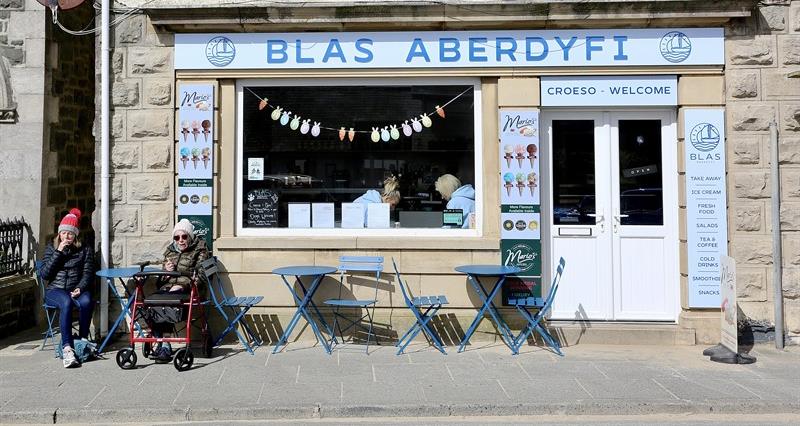
Buoyed by the success of that business, the couple opened a takeaway café and ice-cream parlour at the end of March 2026, Blas Aberdyfi, at Aberdyfi.
The coastal town is very popular with tourists therefore this business is targetting a different customer than Pantri Dysynni.
The Pughs bought the building and budgeted £20,000 to get it fitted out but the actual spend was twice that. “We doubled the initial budget but we have done it properly,’’ says Llion.
The former occupier was also an ice cream parlour and the staff who worked there were keen to stay so Llion and Lucy have taken on that workforce, allowing them to step away from hands-on roles.
Opening the business was a natural progression to Pantri Dysynni, says Llion.
“We are selling some of the food from Pantri Dysynni to maximise the value of that - a case in point is that we sometimes have excess meat and are processing this into various pies to sell from the café, it adds value instead of selling the meat at a reduced price to get a quick sale.’’
Customer facing businesses require a different skillset to farming but the commercial ambitions of maintaining a control of costs and generating a profit are no different, Llion adds.
“Having the two businesses spreads our overhead costs, that’s the thing with a business, diluting those fixed costs where you can.’’
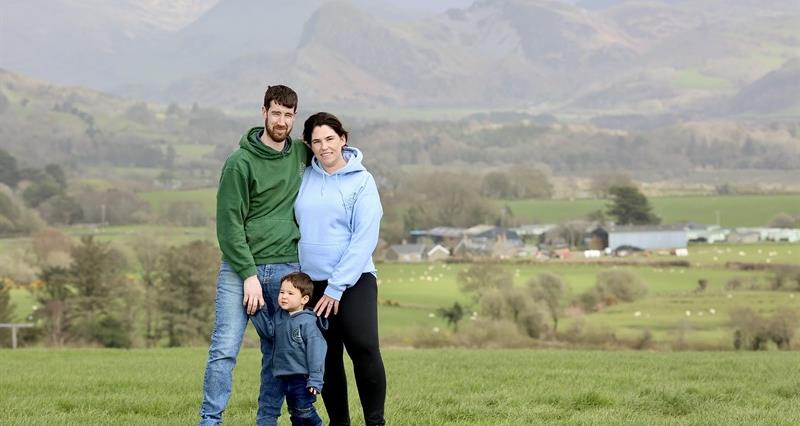
Llion and Lucy also have young children, two-year-old Ioan, and Elinor, who was born in October 2025.
Llion admits that managing all his commitments can sometimes be a very finely tuned balancing act but he and his brother share the same ambition to drive the business forward, buying land with their parents when opportunities and resources have allowed.
“The farm is heavily borrowed but Dewi and I decided that we wanted to do that to build the business now and try to pay off the borrowings by the time we are 50 instead of building the business when we were 50.’’