It mirrors the UK trend which saw £1.95m of livestock injured or killed in these incidents, up 10% compared to 2024.
This data coincides with findings from a new NFU Mutual survey of 1,407 dog owners released last month, which revealed 57% let their dogs off leads in the countryside. But alarmingly, one in 10 admitted their dog has no recall whilst 44% said their dogs came back only ‘some’ or ‘most of the time’.
One in 20 dog owners confessed their dogs had chased livestock, and more than three-fifths felt that other dog owners in their area did not treat livestock worrying as a serious issue.
Despite this, 72% highlighted they were not actively taking steps to prevent their dogs from chasing and almost two-thirds said they do not believe their dogs are capable of harming or killing animals.
This comes as the Dogs (Protection of Livestock) (Amendment) Act was passed earlier this year, following prolonged industry campaigning, granting police enhanced powers to address dog attacks on farm animals in England and Wales.
In Wales, 87% of dog owners surveyed thought the new legislation will help reduce livestock worrying, compared to 74% in England.
'Deeply concerning'
NFU Mutual Rural Affairs Specialist, Hannah Binns, said: "As the lambing season gets underway, a time when pregnant ewes and newborn lambs are vulnerable, it is deeply concerning to see the estimated cost of livestock worrying rise to nearly £2 million in 2025.
"As a sheep farmer’s daughter, I know first-hand the hard work, long hours and emotional investment that goes into the lambing season. For farmers and their families, witnessing these horrific incidents or finding injured or dead livestock after an attack can be utterly heartbreaking.
"Farmers across the UK are living with the constant fear of repeat incidents, which cause immense suffering to livestock and can traumatise all involved in dealing with the aftermath. Anecdotally, we continue to hear reports of dogs injuring or killing sheep whilst owners are either unable to control their pets or are nowhere to be found.
"Ignoring the risks is never an option; regardless of breed, size, or temperament, all dogs can chase, injure or kill livestock. Even without physical contact, the stress of being chased can lead to exhaustion and stress, and in some cases separate young lambs from their mothers, which can lead to them being orphaned.
'Act responsibly'
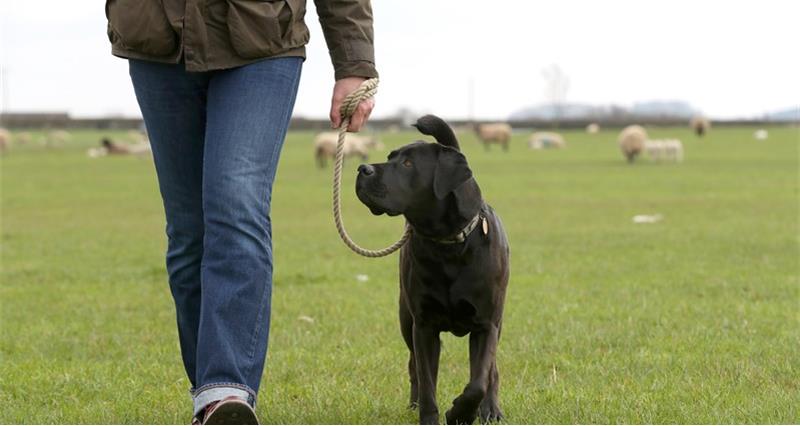
"It is crucial dog owners act responsibly by keeping their pets on leads wherever livestock may be nearby to prevent these needless attacks. If there is an incident, we urge those involved to do the right thing by informing a local farmer and reporting it to the police, so that any injured animals are not left suffering in pain."
Rob Taylor, the UK Police NPCC lead for livestock attacks, said: "It is alarming to see a rise in the estimated cost of livestock worrying, and the dreadful impact it has on our farming communities. We have worked tirelessly to improve education as this is about responsible dog ownership, and the problem lays firmly with those owners.
“We look forward to a new law coming into effect in March, after over 10 years of work and we believe it will make a real difference in how cases are investigated and dealt with by our courts. Additionally, we are now working with the Blue Cross to help educate dog owners about the dangers of allowing a dog to roam in the countryside and what it means to be responsible."