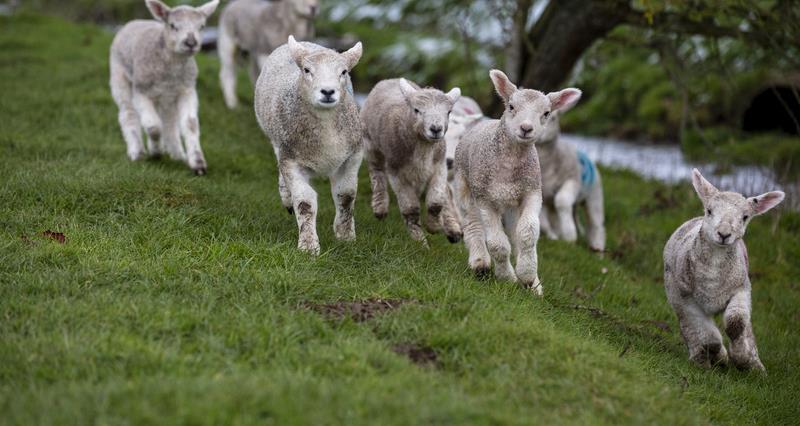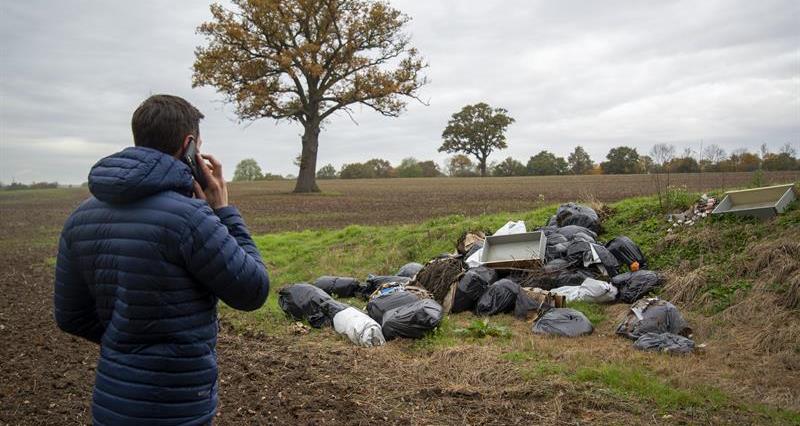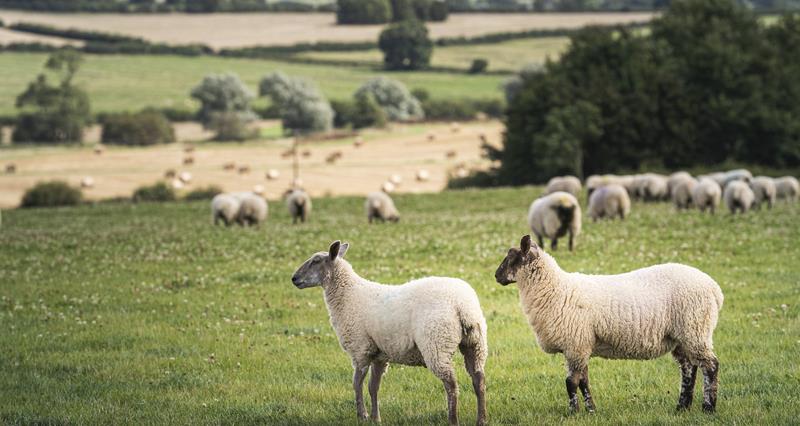
The new amendment to The Dogs (Protection of Livestock) Act empowers police to take advantage of the technological and scientific advancements that have been made since it was first passed into law in 1953.
The NFU has been campaigning for this change to this legislation since 2019. Through sheer persistence and the unwavering support of MPs and Peers and the public, we have now secured a change that gives police more enforcement powers, encourages responsible dog ownership, and provides justice for farmers and their livestock when they do sadly fall victim to livestock worrying.
“This Act will make a real difference in safeguarding livestock and giving farmers greater confidence.”
NFU Vice-president Rachel Hallos
Government plans to strengthen the law on livestock worrying were stalled when the Animal Welfare (Kept Animals) Bill was withdrawn in 2023. More than 10,000 people signed an NFU open letter, calling on the government to strengthen the Dogs (Protection of Livestock) Act 1953. The open letter called for an increase in fines and enhanced police powers to tackle the increasing incidence of dog attacks on livestock.
NFU Vice-president Rachel Hallos said this marked a “huge victory for the farming community and a moment of real relief for livestock keepers across the country”.
“Attacks by dogs on livestock have devastating impacts on farmers, their families and their animals and we have consistently called for stronger protections to tackle this issue. That’s why the NFU has long called for tougher laws to reflect the seriousness of this crime, including wider powers for police and increased penalties for irresponsible dog ownership,” she added.
How will the new legislation help tackle livestock worrying?
The Bill has several important provisions that make the law fit for the 21st century.
The Dogs (Protection of Livestock) Act was first passed into law in 1953. Since then there have been a lot of technological and scientific advancements that police can use to better tackle crime. The Act now gives police new powers to take advantage of this, allowing them to take DNA samples or mouth impressions from dogs they suspect of worrying livestock.
Police will now be empowered to detain dogs they suspect of worrying livestock where there’s nobody present to accept responsibility of the dog. Courts can now order offenders to pay the costs incurred by seizing and detaining a dog.
There will be harsher punishments for offenders. Recognising that livestock do not live their entire lives within the confines of a field, the legislation will make incidents that happen on roads and paths against the law.
Camelids will now be protected by the law. Justices of the Peace will also now be able to issue warrants authorising police to use all these new powers.
The changes cover England and Wales. Importantly, the new police powers can be used to investigate incidents of livestock worrying that happened before the Bill was passed into law.
‘A real difference’
NFU Vice-president Rachel Hallos added: “Thanks to the NFU’s campaigning, the determination of our members, the voices of the thousands of people who signed our open letter and the work of Aphra Brandreth MP and Baroness Thérèse Coffey, we now have legislation that reflects this crime’s severity.
“This Act will make a real difference in safeguarding livestock and giving farmers greater confidence, meaning that rather than suffering with the emotional and financial toll of this crime, farmers can instead focus on investing in their business and providing the healthy, affordable and environmentally friendly food for the nation we know the public love.”