While the long-term prospects for the Welsh dairy sector look positive, with global demand for protein growing, the short term outlook is far more challenging. Welsh dairy farmers are currently having to weather a storm that has seen some prices fall by 15ppl since the autumn, the short-term outlook is incredibly tough.
The collapse in milk price is a result of oversupply, both in Wales and further afield. Wholesale prices for all the main dairy commodities – cream, butter, cheddar and powder – have tumbled, which has translated into a dramatic and rapid reduction in farm gate price. The Welsh dairy sector is particularly exposed as the vast majority of the milk that stays in Wales for processing becomes cheese, the market that has seen some of the worst losses.
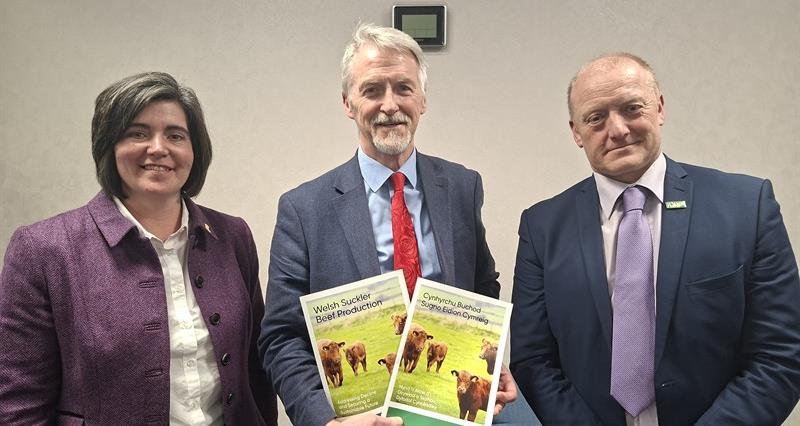
NFU Cymru met with the Deputy First Minister Huw Irranca-Davies MS on Monday 9 February to share a briefing document containing eight key actions that Welsh Government can take to support the sector and ensure its long-term viability, both to support incomes and reduce the cost of production.
“This is an extremely difficult period for Wales’ dairy sector, with most farms in Wales receiving a price well below the cost of producing milk. The rapid reduction in price is restricting cash flow, delaying or altering investment decisions and will ultimately impact the viability of our Welsh dairy sector."
Abi Reader, NFU Cymru President
NFU Cymru President Abi Reader added: “This is an extremely difficult period for Wales’ dairy sector, with most farms in Wales receiving a price well below the cost of producing milk. The rapid reduction in price is restricting cash flow, delaying or altering investment decisions and will ultimately impact the viability of our Welsh dairy sector. With March price announcements already being made, in the six months from October 25 – March 26 we will have seen a conservative estimate of £100m lost from the Welsh rural economy.
Supporting the dairy sector
“We recognise that the blame for the current market situation cannot be landed at the doors of Welsh Government. However, we do believe there are areas where Welsh Government action could support the dairy sector. In our meeting with the Deputy First Minister, we set out eight key actions Welsh Government can take to support our dairy sectors long term viability and protect the huge contribution to the Welsh economy and rural community that is made off the back of profitable dairy farming businesses.
"This should include working with us to evolve the Sustainable Farming Scheme, including exploring how the temporary habitat options can be expanded, looking at how duplication between SFS and farm assurance can be avoided and bringing forward proposals under the optional layer which support investment and drive productivity on farm. These aspirations must be underpinned by a budget that matches the scale of ambition and delivers stability to the Welsh dairy sector.
"The cost of producing milk in Wales has increased over the years as dairy farmers continue to be asked to comply with more and more regulation. We call again on Welsh Government to undertake an independent review into the cumulative burden that regulations, policies and planning frameworks place on farmers. At the top of the list for change is the Control of Agricultural Pollution Regulations or NVZs – which continues to be a blunt, inefficient and overly bureaucratic bringing high costs and unintended consequences for the environment. Dairy farmers are at the sharp end of these regulations, with many being required to invest hundreds of thousands of pounds at a time when cash flow is already being squeezed. Legislative reform to make these regulations more proportionate and targeted is urgently needed.
Bovine TB
"In 2025 almost one in every five dairy farms was operating under bovine TB restrictions. Whether the disease is on the farm or threatening at the door, it is one of the main challenges facing the Welsh dairy sector and it continues to inflict financial and emotional stress, limiting profitability and strangling investment. Welsh Government should implement a comprehensive TB eradication strategy that actively tackles the disease in all its vectors.
"It's vital that the marketplace is operating fairly, transparently and producers are not left shouldering the risk is crucial at times of market downturn. Welsh Government must work with the Defra appointed Agricultural Supply Chain Adjudicator to ensure the Fair Dealings Obligations (Milk) Regulations 2024 are implemented and applied in the spirit they were intended."