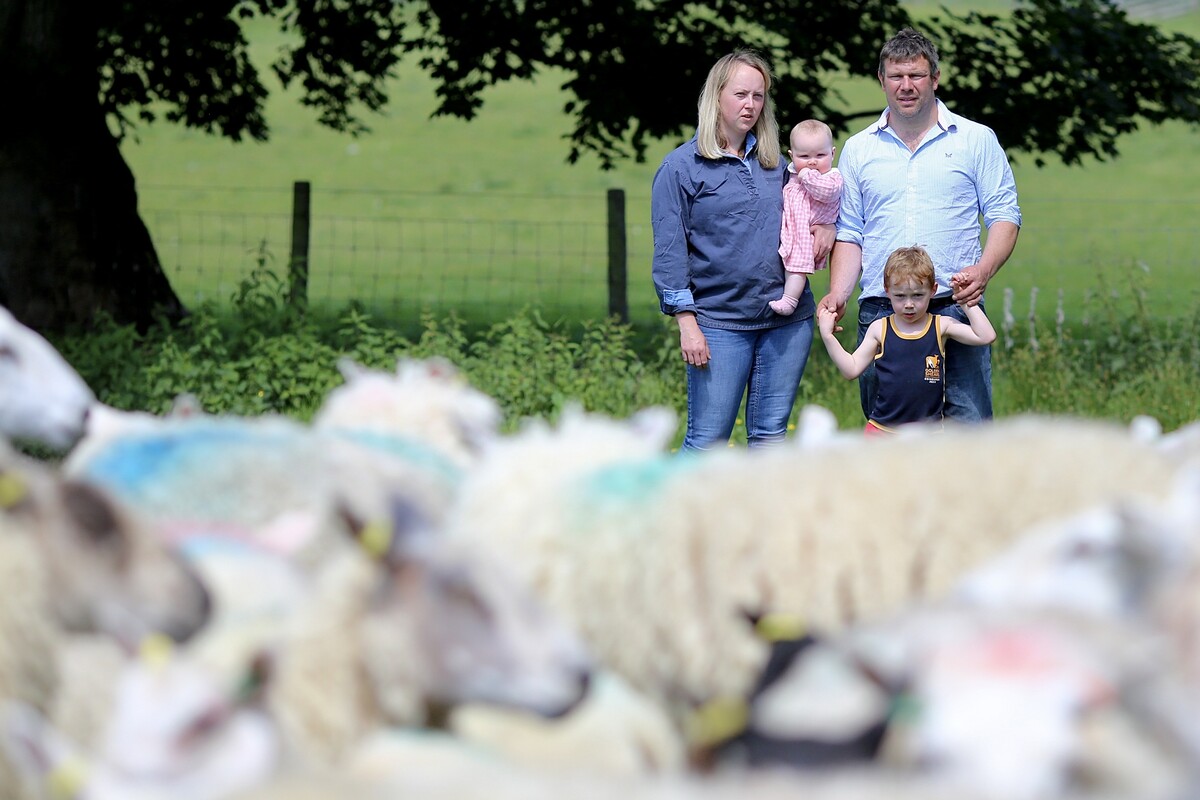
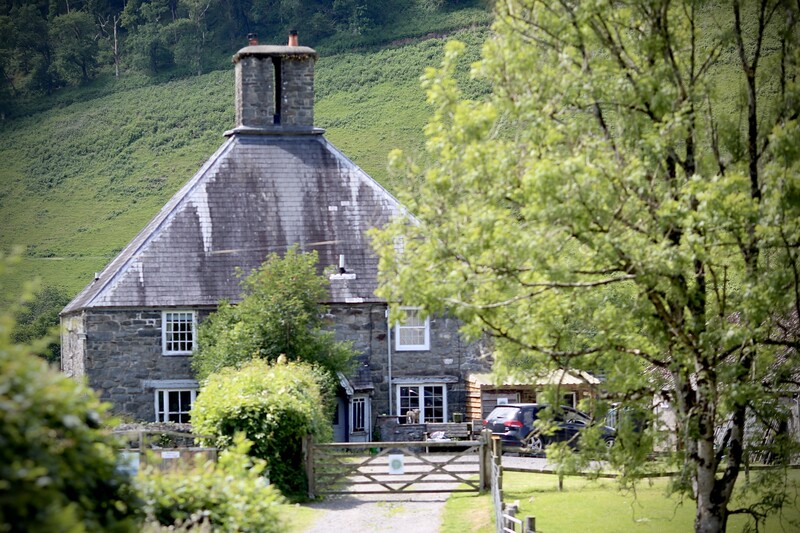
Six years into their tenancy at 130-acre Tan Y Ffordd and Phillip and Heledd still can’t quite believe their luck.
They had all but lost hope of securing the tenancy when they attended the open day for prospective applicants. "There were so many people here on that day, some had travelled hundreds of miles from Scotland. We came away with a feeling of dread because we genuinely thought we didn’t stand a chance," Heledd recalls.
Shortlist
A week later and dread turned to hope when the good news came that they had made it onto the shortlist of three.
"When we heard we had got through to the interview stage we thought ‘wow, we are one step closer’, and when we were offered the tenancy it was just incredible," says Heledd.
One of the biggest appeals of the farm was its close proximity to family and friends, she adds.
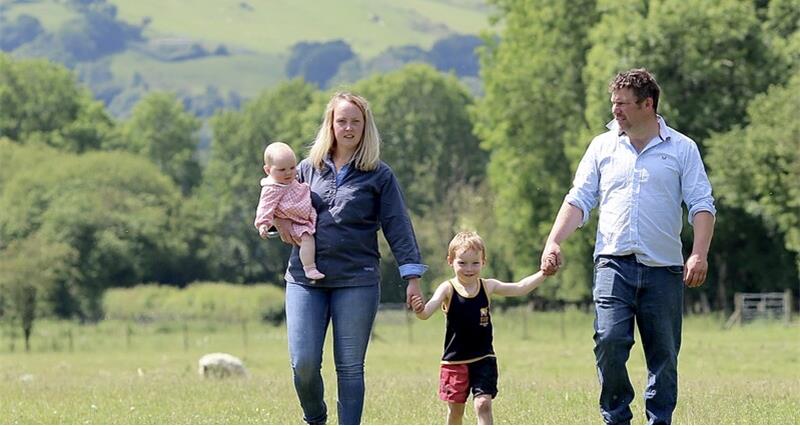
"As first generation farmers we couldn’t afford tractors or machinery at that stage and with friends nearby we were able borrow things for a while to get set up, that was a massive thing for us, to be able to stay so close to home and to have that support at the beginning."
Background
Heledd hails from Dolgellau and had some experience of farming as her grandfather was a farm bailiff who also kept sheep.
Phillip came to farming with no family background in the industry but with a love of agriculture established from an early age as he started helping out at a local farm near his home in Machynlleth when he was just seven, telephoning the farmer on a Friday evening to ask for jobs.
He studied agriculture at Llysfasi but then entered the building trade, although that was short-lived as he quickly realised that his future was in farming. After spending a few months shearing in New Zealand he secured a job on a local beef and sheep farm where he has since worked for 17 years.
Heledd studied animal science and followed the interest in sheep she cultivated as a child with a job at Innovis Breeding Sheep Ltd and later at Farming Connect, where she is now a sheep genetics officer.
Both continue to work off-farm while running their own business.
First experience of farming as a couple
Their first experience of farming as a couple came in 2017 when they rented 170 acres of land near Machynlleth, utilising Farming Connect services to produce a business plan to secure money from a bank to support them in their new venture.
And so their farming journey began, grazing it with 500 ewes.
They have since given up that block, concentrating their enterprise at Tan Y Ffordd and scaling back breeding ewe numbers to the 300 they farm today.
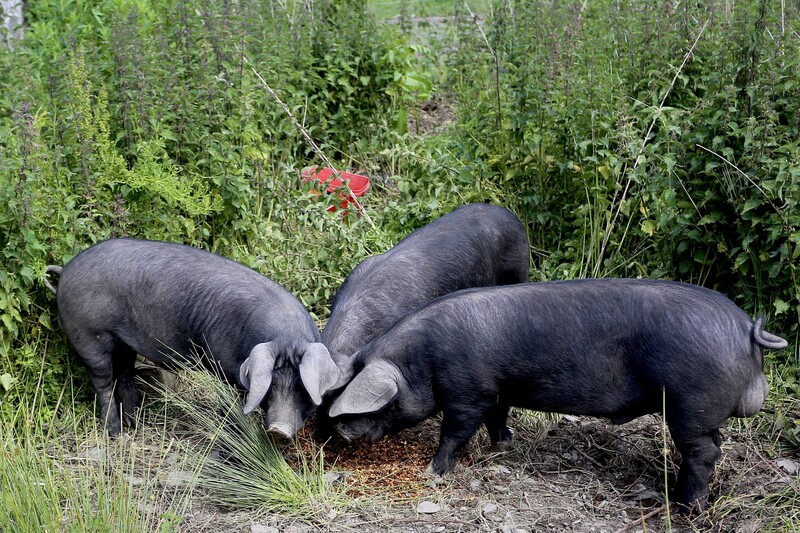
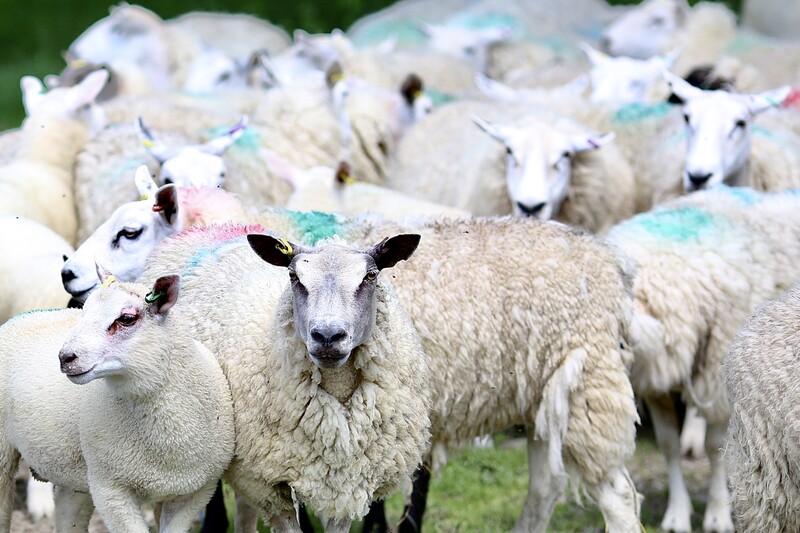
The lowland crossbred flock has a mix of genetics including Texel, Aberfield and Suffolk, and there is a small flock of pedigree Texels and Dutch Spotted sheep.
The couple also performance record a flock of South Country Cheviots which graze a 30-acre block of hill land.
Until recently Highland cattle were also kept, a small herd first established with three cows, an 'impulse buy' by Phillip as a birthday gift for Heledd.
The breed is slow maturing so to maximise value from the high quality meat, that beef was sold direct to customers via meat boxes.
Although successful, the venture has ended for now as the cattle weren’t suitable for the lowland conditions at Tan Y Ffordd.
The meat boxes did help with cashflow management but so too does another diversification – pheasant rearing.
Pheasant rearing enterprise
The Dancers are in their fifth year of rearing 23,000 a year for Cambrian Birds, with the birds arriving as one-day-old chicks in mid-May and remaining at the farm for seven weeks.
It is a busy seven weeks and at times stressful, especially in the early days when a consistent heat source is crucially important.
It is essential that the gas heater in every coup of 700 birds never goes off. That means regular checks both night and day in the first few days because if the heater went off the chicks would form a huddle, an automatic response to losing heat, and that can result in smothering.
"Looking after the birds can be quite intense at times and there are a lot of stressful weeks in setting up before they arrive," Heledd admits.
"It’s such a learning curve, we are still learning, but Cambrian Birds are very supportive and always at the end of the phone or will call in."
The income is very useful because it comes at a time before most lambs are sold.
"It is a really good time for us to get a lump sum to pay winter bills, even though it comes in and goes straight out it is a massive relief. It takes a lot of weight off our shoulders," says Heledd.
Farm tenancy
The tenancy at Tan Y Ffordd is for 12 years with the prospect of an eight-year extension, but with the insecurity created by suggestions that Powys County Council could sell off several of its farms, the Dancers don’t have the confidence to invest in the diversifications they would like to put in place if there was greater certainty on those extra eight years.
They would like to provide holiday accommodation in a shepherd’s hut, possibly create a dog exercise area, but are reluctant to borrow more money to get those ventures off the ground when they can’t be certain they will be at the farm for long enough to recoup the investment.
"We have done cashflows and a business plan to look at those ideas but the six years wouldn’t be long enough," says Heledd. "If we had that longer tenancy it would definitely be worth us going ahead with our ideas.
"It does put a bit of a block on our future in some ways because being able to diversify would add another step up again on the farming ladder in building up enough assets to possibly move onto a larger privately-owned farm one day, although we have always known that we could only be here for 12 years."
Farm dispersals
The Dancers are dismayed to see so many councils dispersing their farmland, knowing the opportunity that the starter farm has given them, and that should this trend continue their young children, William and Eiri, might now have the same chance should they one day want to farm.
County council farms are invaluable, especially for local, first generation farmers, says Heledd.
"We would probably have had to move away to farm if it wasn’t for getting this tenancy.
“It has enabled us to stay in our local area and benefit from that support network of family and friends and the children can go to a Welsh language school, which might not have happened had we moved away. All of that is really important.”