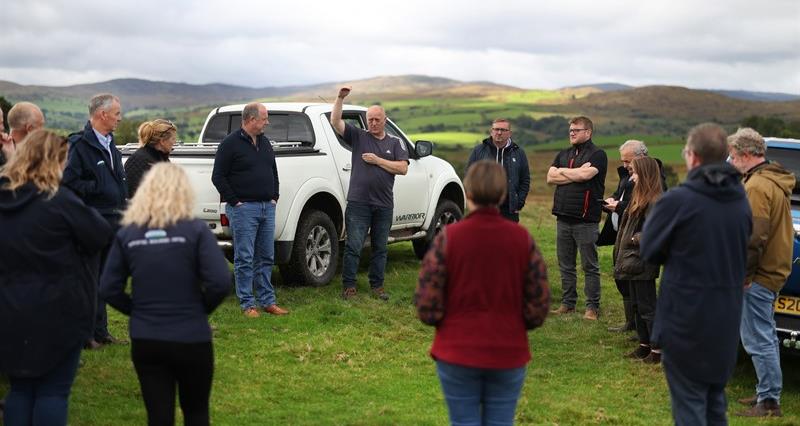
The summit brought together representatives from the four UK farming unions - NFU Cymru, NFU, NFU Scotland and Ulster Farmers’ Union - to discuss shared concerns, differences in devolved policy development and future opportunities for the UK’s upland areas.
The discussions followed a challenging summer for upland farming communities throughout the UK dominated by prolonged drought and large-scale wildfires. All four nations were united in the belief that active farmers and their livestock in the uplands can, however, play a leading role in reducing fuel load and delivering for the environment and communities.
Given that the uplands represent a sizeable proportion of the farmed area of the UK, summit representatives emphasised the vital role that these areas play in contributing to the UK’s food security. In this regard, all four nations also stressed that falling livestock numbers across the UK amounted to a threat to food security in uncertain times.
Uplands are strategically important to all nations
In a joint statement issued following the summit, upland officeholders from the four farming unions said:
“Upland farming is strategically important to all our nations. These areas produce some of the finest beef and lamb in the world, as well as providing the nucleus breeding stock valued by lowland systems across the nations. Farming systems have, over the centuries, shaped iconic landscapes treasured by millions of visitors each year whilst also delivering a wide range of environmental services such as water quality, carbon storage and biodiversity.
Similar threats throughout the UK
“What is clear from this summit is that the uplands across the UK face similar threats: concerns over falling livestock numbers; extreme weather leading to the increasing threat of wildfires in summer and flooding in winter; rising costs aggravated by remoteness from services and distances from markets; low profitability; and the threat of land use change brought about by decarbonisation policies, rewilding and species re-introduction.
“Active farming is, however, essential to maintain the fabric of our uplands. These are living, working landscapes, the ongoing management of which is only possible if it is economically sustainable and there are people there to work the land and care for the livestock.
Value of farming must be recognised
“Whilst agricultural policies impacting on our upland farms have become increasingly diverse across the home nations, we are clear that upland policy objectives must ensure farmers are properly rewarded for the role they play in underpinning food production, delivering vibrant rural communities and supporting the maintenance and enhancement of the farmed landscape.
“Government policy and support must recognise the value that farming families provide to society; producing food, meeting each nations’ climate and nature obligations and ambitions and underpinning our rural communities. We must provide a platform to ensure a viable future for the next generation in our uplands.
Equal access for all
“Policies must acknowledge the rich tapestry of farming systems in operation across our upland areas, ensuring equal access for all, making sure the specific circumstances of our tenant farmers, crofters and common land is properly considered in the design and implementation of agricultural policy.
“Ultimately, it is farming families and their livestock that ensure the long-term sustainability of our uplands delivering environmentally, economically, socially and culturally. Our respective governments must ensure that policy is centred around them.”