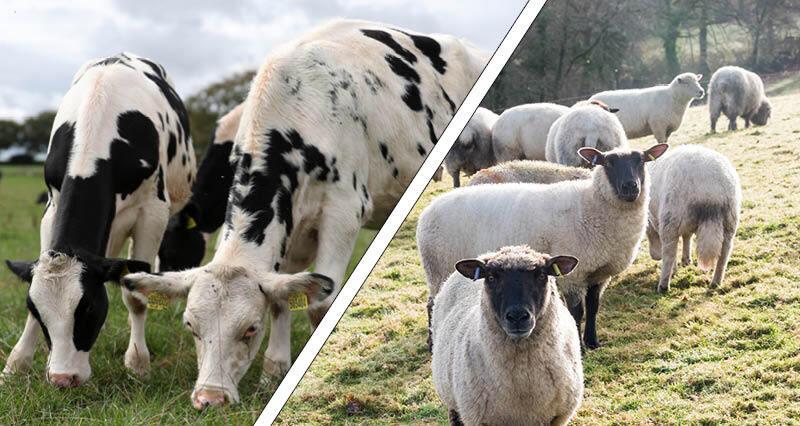
The union will highlight the importance of farmers with detailed local knowledge, practical land management skills, equipment and an enduring presence in the areas most at risk being central to plans to prevent and limit the devastation of wildfires in the future.
NFU Cymru has met with many of those who have been directly affected by wildfires. Experiences of those who have suffered burned areas throughout the county have been consistent: bracken and fern control has dwindled over the years, not only due to reduced grazing, but also owing to the withdrawal of products used to control it.
Green fern has thrived and created a canopy over dead fern, which inevitably has contributed heavily to the fierce spread of the fires on Mynydd Garnclochdy, Llangynidr Mountain and further afield.
A need to recognise the impact
NFU Cymru Monmouthshire County Chairman Rob Hoggins said: “NFU Cymru firmly believes that the accumulation of combustible vegetation must be addressed. Those with knowledge and experience have got to be listened to, alongside appropriate grazing and vegetation management.
Supporting farmers to manage fuel loads on farmland, common land, woodland and along boundaries between different land uses is crucial. Practical vegetation management such as grazing, cutting and mowing, scrub clearance, woodland thinning, bracken control as well as creating buffer zones should all be prioritised to prevent a reoccurrence.
“There is a need to recognise the impact of extensive wildfires on farmers who lose grazing and will incur significant additional feed and management cost for livestock as the ground recovers.
“We need to learn the lessons of this summer and make prevention of future occurrences as a priority. Prevention will protect all communities in Wales, reducing the pressure on emergency services and safeguard Wales’ farmland, forests, peatlands, habitats and natural resources for the future.
Rural knowledge has been overlooked
“There is a huge amount of knowledge in rural areas which, in the past, has been overlooked. A joined-up approach is needed where local knowledge is listened to. Wildfire risk should be integrated into relevant Welsh Government policies with recovery planning also acknowledged, which recognises the devastation of wildfires in terms of loss of livestock, grazing, fences, crops, building as well as the impact on the individual.
Visit from the First Minister
“We recognise that the First Minister came out to the county last month, to see and hear first-hand the devastation caused, and that he has committed to hold a Wildfire Summitt later this autumn, to which the union will attend. The First Minister will also be making a statement on the issue in the Senedd on Wednesday [16 September].”
In addition to the devastation caused by wildfires in the county, NFU Cymru will also raise with politicians attending the show a variety of other issues affecting farmers in Monmouthshire and across Wales.
These include the significant impact of the dry and hot weather this summer, with arable farmers having suffered reduced yields and unprecedented water pressures. Other issues that will be raised by the union at the event will include Bluetongue in the livestock sector, bovine TB, price fluctuations in the dairy sector and the new BVD regulations that have come into force this summer.
More from NFU Cymru: