NFU Cymru Dairy Board
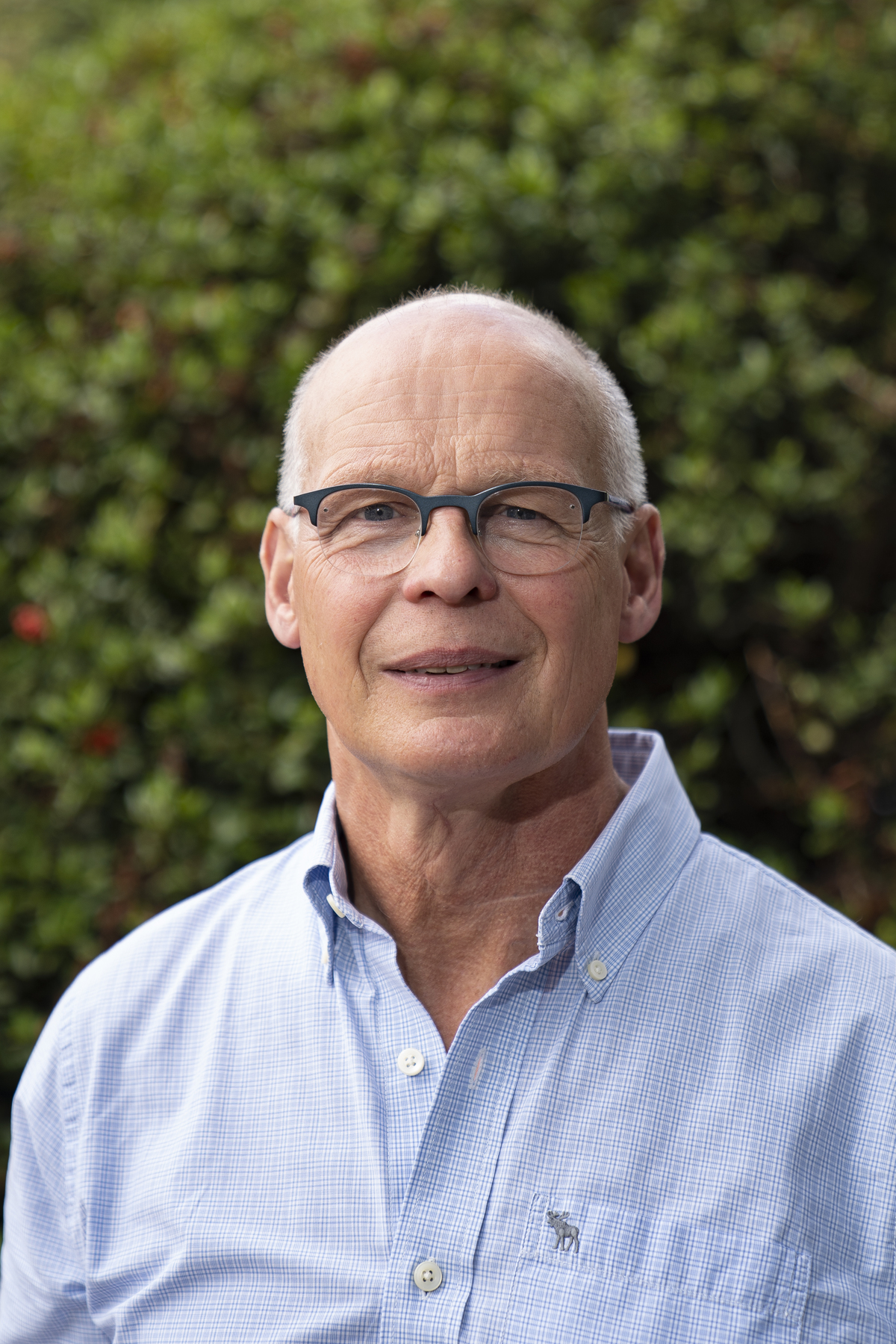
Chair: Jonathan Wilkinson
I’m proud to continue to represent dairy farmers in Wales in my role as NFU Cymru Dairy Board Chair, and I fully recognise the challenges our industry is currently facing. At the forefront of those is milk prices.
On a positive note, it’s very encouraging to hear from processors that demand for dairy products remains strong, with a corresponding reduction in the demand for plant-based alternatives. It seems like the current focus on health and healthy eating is increasing the demand for food that hasn’t been messed around with, and the natural proteins found in dairy are becoming increasingly popular.
Although the market situation and NVZ regulations are at the forefront of dairy farmers minds right now, other priorities for the dairy board include lobbying Welsh Government to evolve the SFS offer to make sure it is a viable option for all dairy farmers.
Animal health remains top of the agenda which includes working with the TB Focus Group on bTB eradication policies. We will also continue to represent Welsh dairy farmers interests to Red Tractor, the Dairy Roadmap and to promote the positive image of dairy, calling out misinformation where we see it about our high-quality nutritious product.
We’ve come to expect market volatility in dairy but it seems that everyone has been caught off guard by the volume of milk being produced and the quality of that milk, with high fats and proteins compounding the problem of the supply/demand imbalance.
I don’t remember a time when the range of prices being paid to dairy farmers was so great; as always in times of over-supply the spot market is not capable of providing a safety net and so those selling their milk through brokers are particularly vulnerable. At NFU Cymru we’re already hearing from members who feel that they are being treated unfairly by their milk buyer, some who’ve been asked to renegotiate contracts and others who’ve had notice of contracts being terminated. We want to hear from anyone who feels that they aren’t being properly treated; all enquiries will be treated in confidence and only referred to the Fair Dealing of Milk Regulations (FDOM) Adjudicator with the permission of the member. We’re in for a tough few months but remember that your Dairy Board representatives and I are always at the end of the phone if you simply want an informal chat.
The ground here has been saturated and we have waterlogged fields – how can it make sense, either in environmental or farming terms, to prevent dairy farmers spreading slurry on their fields when ground conditions are in an optimum condition? Farming by calendar is nonsense and I had an opportunity to talk to the Deputy First Minister about this recently – he seems to get it, but the current government has run out of time for any major changes. Let’s hope for some inventive thinking from our new government in May and some productive dialogue with our new leadership team.
NFU Cymru Livestock Board
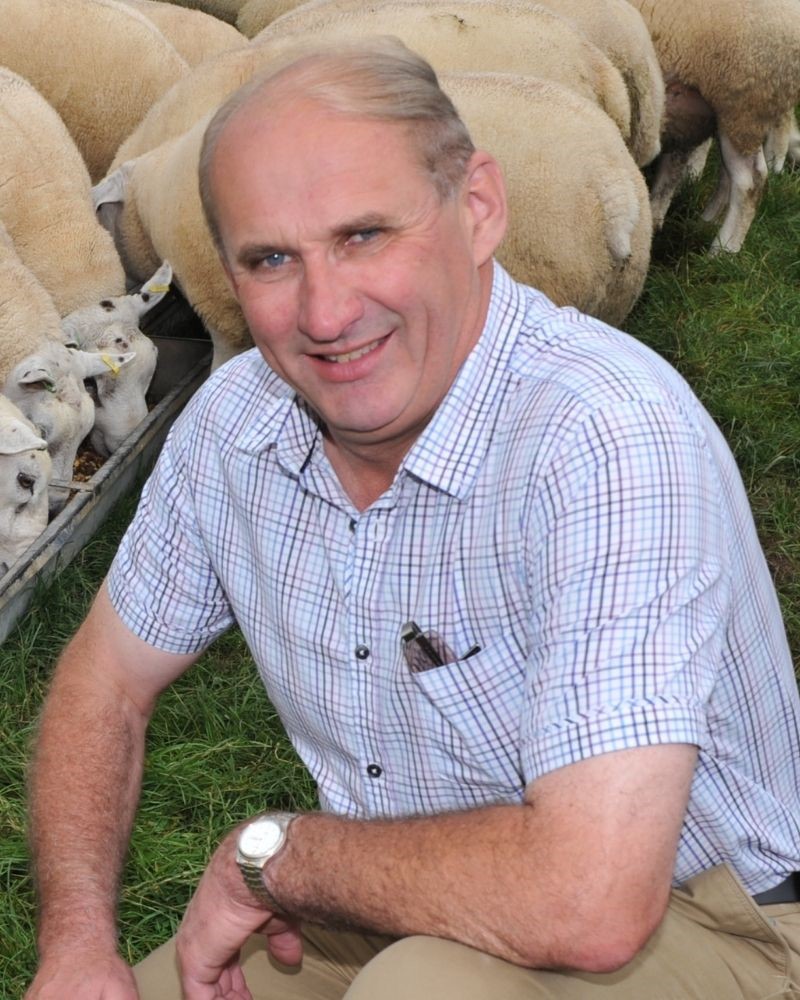
Chair: Rob Lewis
In December 2025 I was fortunate to be re-elected NFU Cymru Livestock Board Chair for the third and final term of office. To give you a brief insight into our business at Glan Elan, I farm with my three sons, Gethin, Rhys and Ieuan and we farm a total of 650 acres ranging from 600 feet to 1,650 feet above sea level – a truly upland set up with 60 suckler spring calving cows. All progeny are fattened and are mostly sold to local butchers and into our pub, The Triangle in Rhayader.
The sheep enterprise consists of just over 1,000 ewes, the majority on a stratified system with the base of Welsh Mountain Ewes which in turn produce a strong Cheviot Welsh ewe to produce Welsh Mules for the finished lamb enterprise. All lambs, except breeding females are finished, again for local butchers and procured through Pilgrims Europe Abattoir in Llanidloes, for which I am a lamb buying agent.
As Livestock Board Chair, the position gives me a chance to be proactive on many policies that affect the sector and I am under no illusion of the difficulties that lie ahead. One main objective for the board is to address the decline of suckler cow numbers in Wales. So, along with the LFA Board we have produced a document to highlight this alarming decline of breeding numbers and it was launched recently at Colwyn Bay in prestigious surroundings, hosted by the renowned chef, Bryn Williams.
We are highlighting to Welsh Government the decline in numbers but more importantly the benefits of suckler cows in the uplands, especially the environmental benefits they provide, the natural advantages of our climate, grass-based systems and PGI Status.
We are calling for Welsh Government to include a targeted suckler support through the optional layer of the SFS with 70% of the budget directed at the universal layer. Other options that can help are a review of the agricultural pollution regulations, along with a comprehensive TB eradication strategy.
Other important matters relating to Livestock Board include the consultation and restrictions of castration and tail docking of lambs. The consultation is open until 10 March and I would urge every sheep farmer to respond as I strongly believe that this could lead to more welfare issues than using a rubber ring on a young lamb.
Other areas we may be looking at are the upcoming cattle movement database and the introduction of EID tagging, most probably starting early 2027. Disease control is never far from the agenda, together with the importance of keeping our livestock safe from exotic diseases from abroad, working with government agencies and other stakeholders when issues arise. I think we can all do more to protect our businesses with increased biosecurity on our farms.
We also look at the supply chain to primary producers to make sure there is transparency in payment grids etc and we welcome the recent introduction of a UK classification system for lambs that is fair and puts all our major processors on the same footing.
These are just a few areas of work the Livestock Board have and will be looking at over the next 12 months, if anyone has any concerns then contact your county board delegate who in turn will be able to bring it to the national Livestock Board.
NFU Cymru Crops & Horticulture Group
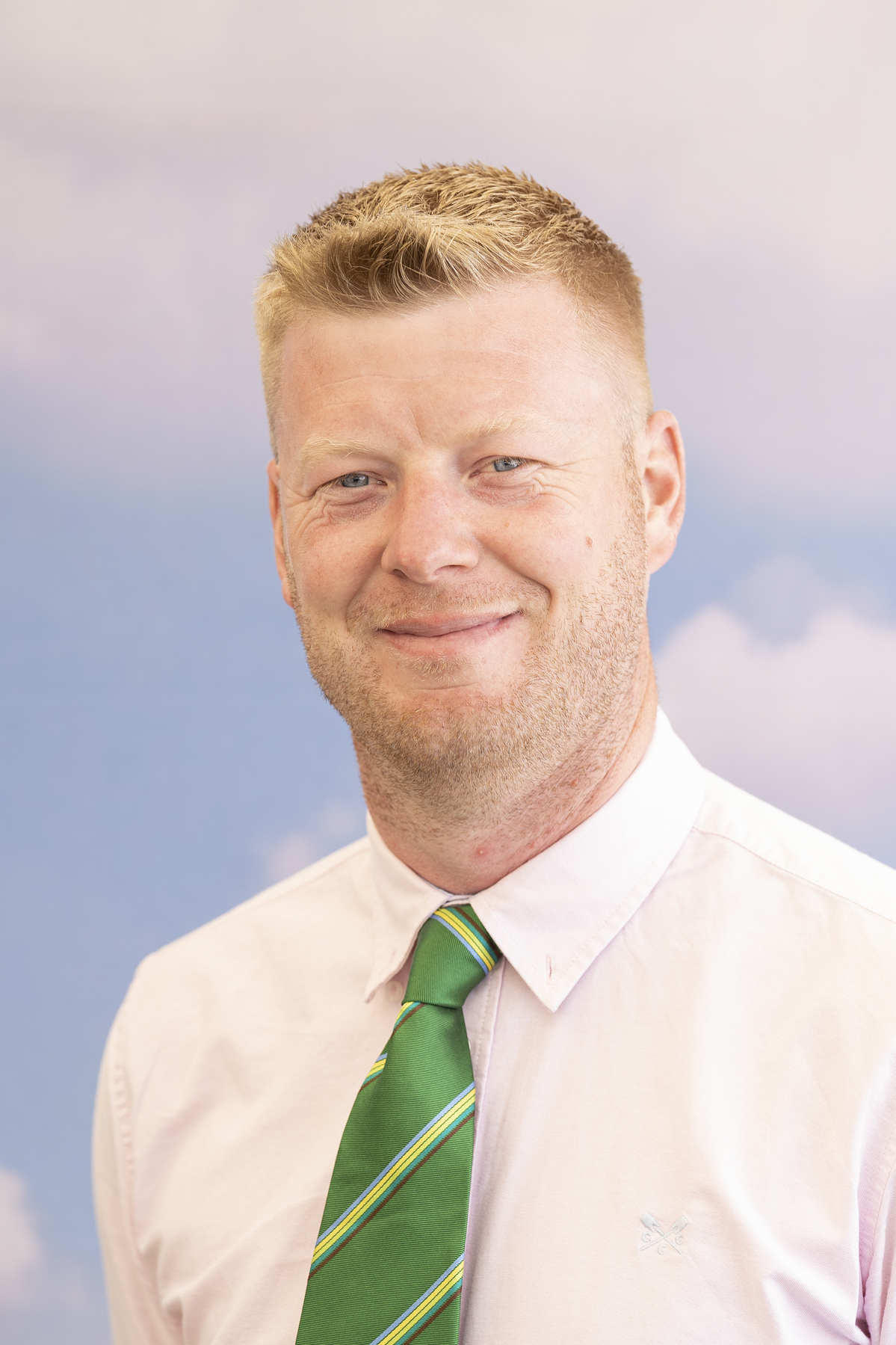
Chair: Tom Rees
As I write this in early February, the wet winter continues! A complete contrast to last year when first applications of Nitrogen had been applied to winter cereals by now. I do love the spring as it signals the beginning of a new farming year and the hope it will be a good one.
As we go in to the new farming year, I hope the politics will improve like the weather. The announcement before Christmas on IHT certainly gave some relief, but I think there is a lot more to do and I do urge you all to keep up the conversations with your MPs.
At our last Crops Board meeting in Builth on 28 January, it was great to see some new faces on the board and particularly so many young farmers around the table. We set our board priorities for the coming months:
Fairness in the supply chain: After the NFU Crops Board met with Daniel Zeichner last autumn he instigated a review into supply chain fairness within the arable sector of the UK. The consultation, which has recently closed, has had a huge response and I thank all those who took time to feed in. If ever we have a chance to stand up to poorer quality imports coming into this country, under cutting us both economically and environmentally, then this is it and the board will work tirelessly to fight for a level playing field.
Red Tractor: Whilst we welcomed the review, we are yet to see any impact on farm. The reality of continually stringent inspections whilst we battle inferior imports is infuriating for members. I still feel Red Tractor needs to get a better understanding of its most important stakeholders, the farmers, but I’m sure they may soon learn.
SPS agreement: As the UK looks set to realign with Europe, the proposal looks to be very damaging to the UK arable sector. A recent report commissioned by Life Science and undertaken by Andersons looks like the reset could cost UK growers £800M per year. The board continues to lobby and work with the negotiation team to safeguard UK crop production.
SFS: As we enter the first year of the SFS, the board is working hard to get optional actions that work for Welsh arable farmers. Under the SFS we hope to see more importance put-on home-grown protein.
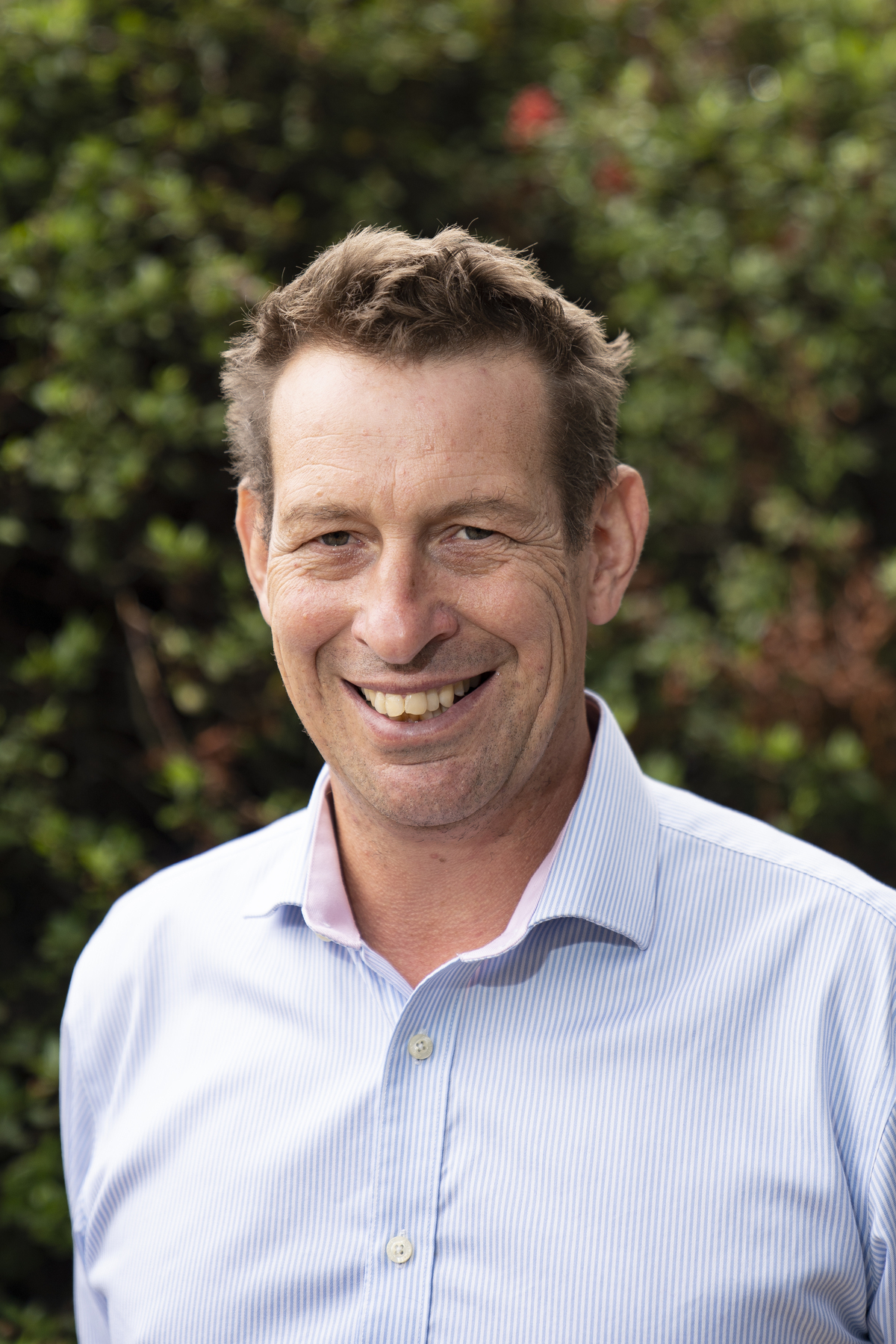
NFU Cymru Rural Affairs Board
Chair: Gary Yeomans
I farm near Abergavenny in Monmouthshire with my wife Jess. We milk dairy goats, keep Pedigree Welsh Black suckler cows and grow some arable crops. We will be hosting the NFU Cymru Sustainable Farming Conference on 30 June this year, so you are welcome to come and hear from some great speakers and see what we do.
I am proud to be the new Rural Affairs Board Chair, in December we set out our board priorities for the coming year. The board and I are keen to be proactive and particularly to get our policies in front of the new Senedd Members after the May election.
We have already fed into Welsh Government’s draft Agricultural Landlord-Tenant Code of Practice which provides guidance on the standards of behaviour expected from landlords and tenants, as well as those providing professional advice in connection with agricultural tenancy matters.
A key priority for the board relates to planning issues. NFU Cymru is calling for an independent review of red tape on farming and the planning system and associated regulations such as Sustainable Drainage Systems (SuDS) can be barriers to farm business development adding costs and complexity. The board will consider what changes are needed to the planning development system so it works better for farming and we will be making the case for our members by developing a policy paper in the coming months.
Welsh Government has encouraged farmers to diversify into tourism, but with new licencing regulations proposed, the 180-day rule on council tax and the tourism tax, it is making many on farm accommodation and holiday lets increasingly unviable. We will be working to lobby Welsh Government about the impact of these policies on farming families and their ability to operate viable agri-tourism businesses.
Alongside this work, we will be leading on NFU Cymru’s response to consultations on air quality, biodiversity targets, NRW river basin management plans and species reintroduction. We also will have input into the cross-cutting issues like SFS and water quality with the other boards.
Finally, the board will be promoting the flagship NFU Cymru Sustainable Farming Award which recognises farming’s economic, environmental, social and cultural contribution. We would like to encourage entries for the Sustainable Farming Award from all parts of Wales, so if you would like to enter or know of someone doing a great job, more information on the 2026 application window will be on the NFU Cymru website in due course.
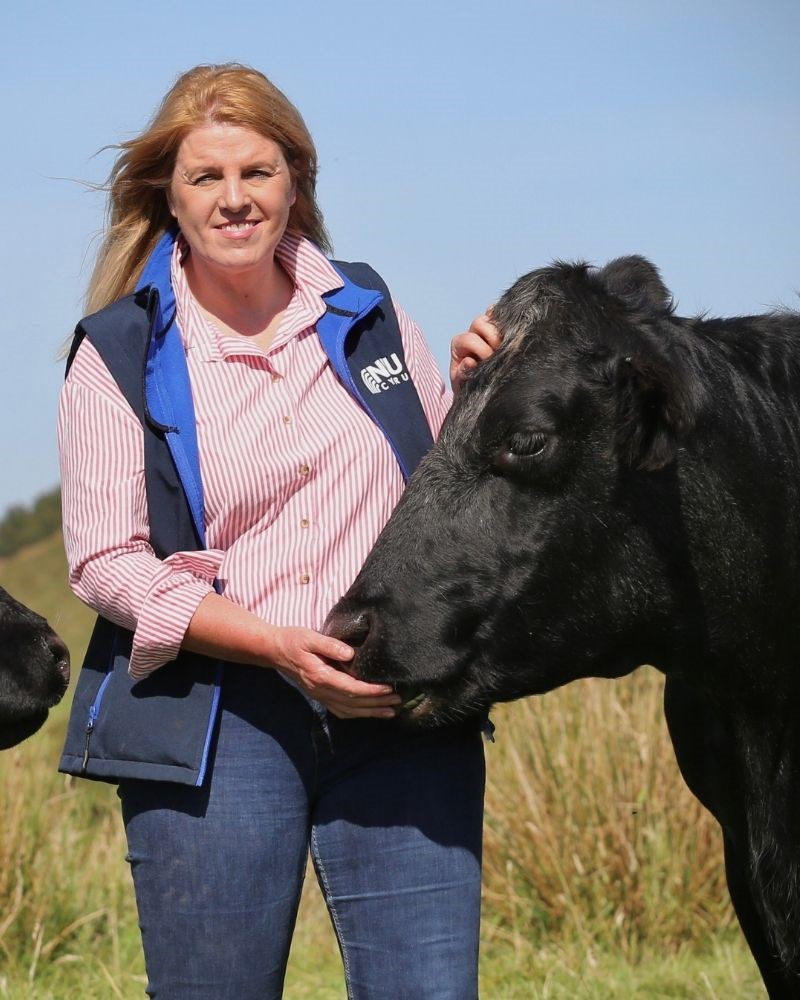
NFU Cymru LFA Board
Chair: Kath Whitrow
Farming in Wales' most challenging landscapes is a double-edged sword.
The view from the office can be spectacular but is counterbalanced with some harsh realities.
Returns in upland areas are amongst the lowest in the sector and succession for these farms is a very real challenge with businesses unable to accommodate the financial burden of the next generation working on farm, continue to invest and pay the bills.
A changing and uncertain farming policy context has put pressure on livestock numbers, particularly cattle with the cost of regulations such as the Control of Agricultural Pollution Regulations and bovine TB squeezing margins further.
Sadly, this has seen numbers continue to decline and with it, the environmental benefits mixed grazing systems brings and NFU Cymru’s LFA and Livestock boards have come together to consider this – launching our policy paper which explores the reasons for the decline of suckler cows in Wales, and makes recommendations for the future, earlier this month.
Common land is a significant feature of upland farm systems and the revised Sustainable Farming Scheme (SFS) only confirmed its inclusion in the universal layer at the last publication in Summer 2025. This has followed over five years of uncertainty for those farms and has no doubt hampered confidence and investment.
It is hoped that our LFA farms will be able to transition to the new SFS scheme. Changes are however still required to ensure it is accessible to all and ensure we deliver for the farmers, food security as well as the landscape.
I mentioned the spectacular view from the office, but this too can bring challenges. Since Covid19 we have seen a significant increase in the number of visitors, particular with dogs, who are not always familiar with good countryside practice and incidences of livestock worrying have increased. Visitors are welcome and can add an economic boost to the rural community but it must be in balance with the farming activity.
Wales’ uplands are famous for its livestock and if we want to continue to see the mosaic farmed landscape delivering for all, then farmers must be at the heart of it. There is a real danger that current pressures will see this treasured landscape - and with it our food security - lost. There is no benefit to anyone in that, but particularly our rural communities.
It is critical that challenges are recognised and policies put in place that support these uplands to thrive, encourage our future generations to want to farm in these harsher environments and continue to provide the nutritious, safe and sustainably produced meat and wool whilst caring for our precious landscape, its habitat and our rural communities.
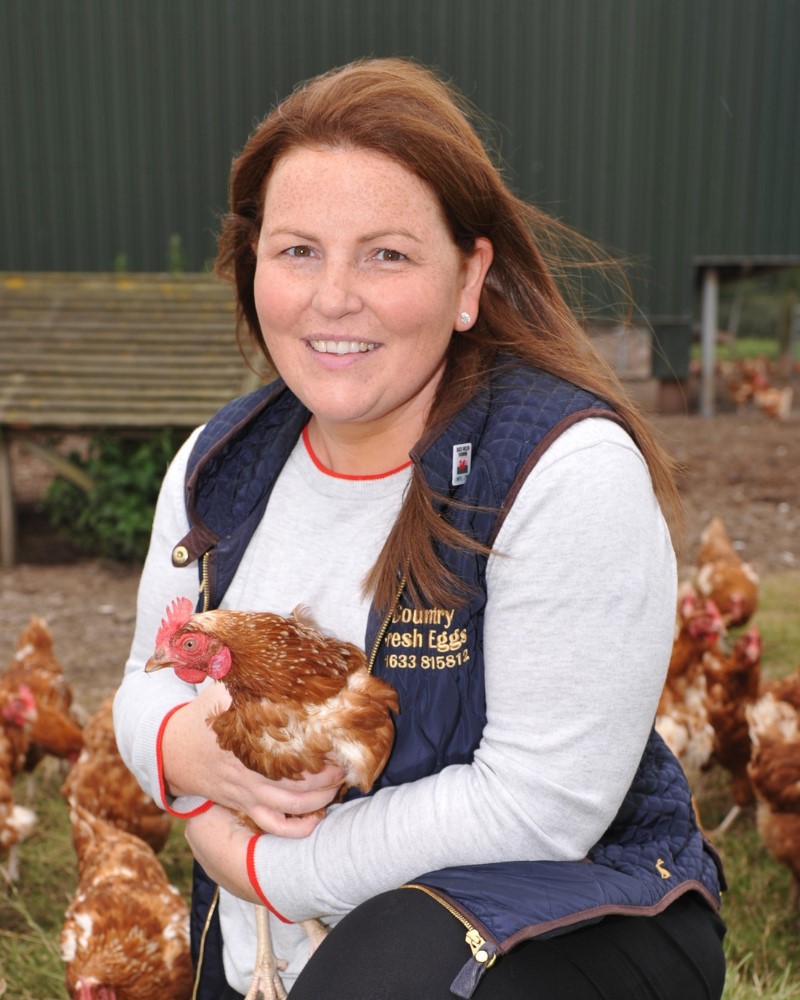
NFU Cymru Poultry Board
Chair: Victoria Shervington-Jones
Our family business based on the Gwent Levels, Country Fresh Eggs, is a producer and packer of quality eggs supplying regional Tesco stores and more than 700 shops, restaurants and other outlets around South Wales.
I am thrilled to have been elected as the new NFU Cymru Poultry Board Chair. I’m keen to work with all of our board members to promote our industry and lobby on the priorities agreed by the board in November last year.
Among those top priorities is the block on poultry applications in Wales. Between August 2024 and August 2025, we saw approval granted for free range and organic poultry units in England (nearly 800,000 birds), Scotland (1.1m birds) and Northern Ireland (550,000 birds). Over the same period, Wales saw ZERO applications approved.
These continuous and costly delays are holding Welsh farming businesses back. We know that processors are eager to source more product from Welsh farms, which makes poultry producers all the more incensed when we see foreign eggs coming onto the market and undercutting our products. While we of course understand the sensitivities around environment that have led to this additional caution on applications – and water quality regulations are a shared cross-cutting priority for the board - it cannot be the case that applications from anywhere in Wales are being blocked or held up, regardless of their proximity to a water course.
Another area of work for the board will be around the cascading of information to poultry keepers during disease outbreaks, which is particularly important as our sector learns to cope with the yearly AI disease risk. We are keen to work with Welsh Government and APHA to ensure controls and restrictions are communicated swiftly and effectively and that government is fleet of foot when it comes to putting housing orders and other measures in place that will help protect our flocks. This is something I spoke to the Chief Veterinary Officer for Wales, Dr Richard Irvine, about at length during the recent NFU Cymru Council.
The board will continue to bang the drum for fairness of the poultry and egg supply chains, particularly at times of low prices. We will advocate for more meaningful contracts and seeking protections to prevent sudden unilateral changes in supply terms and conditions from processors packers and retailers.
Farm Assurance Schemes will continue to play an important role for producers but these schemes must be achievable and workable. The board will continue to keep a close eye on the outcomes of the Farm Assurance Review and what it means for Red Tractor, RSPCA Assured and Lion Code.
Please get in touch with any information or concerns, whether that’s to me or your local poultry representative, and let’s work together to tackle the challenges and embrace the opportunities.