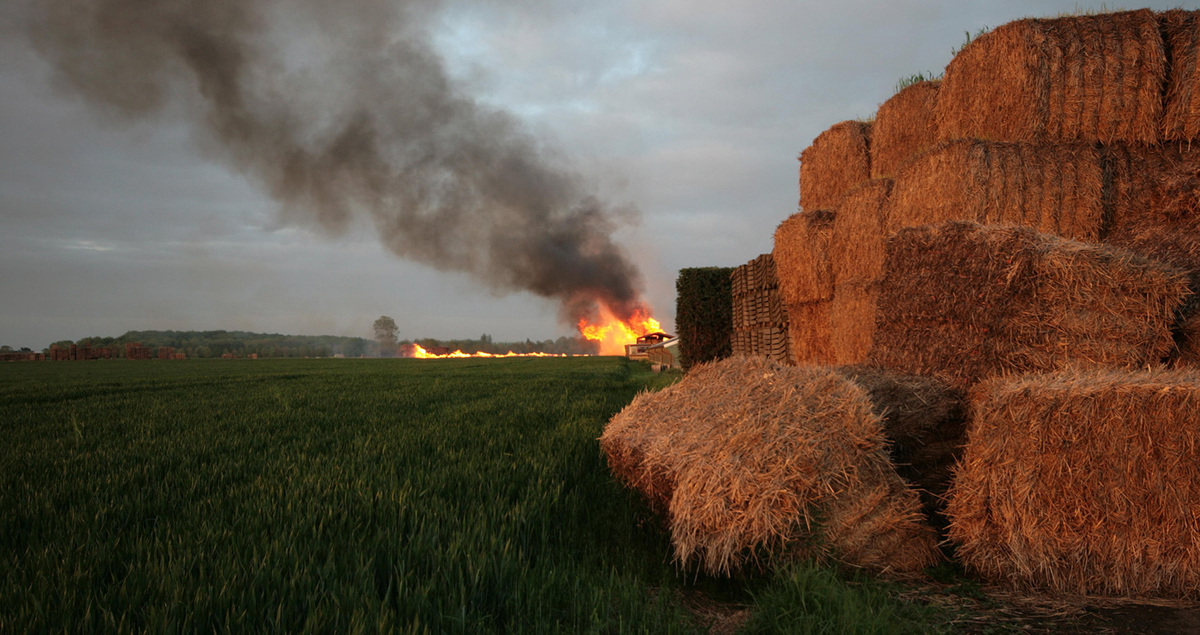
Devastating and dangerous farm fires cost Wales £4.8m in 2024, a new NFU Mutual report has revealed

15 December 2025

Farm fire

The rural insurer's first ever Farm Fire Report has highlighted the significant cost of blazes involving buildings, growing crops, machinery and other farm equipment, with electrical faults, arson and lightning strikes identified as the leading culprits. 

Hannah Binns, NFU Mutual’s Rural Affairs Specialist, said: "These fires not only endanger the lives of farmers, farm workers and their families, but can destroy months or years of hard work, with long lasting consequences for agricultural businesses, structurally and financially.

Emotional toll

"Beyond the immediate damage, the emotional toll of a farm fire can be significant, as individuals come to terms with the trauma and the added strain on an already demanding job.
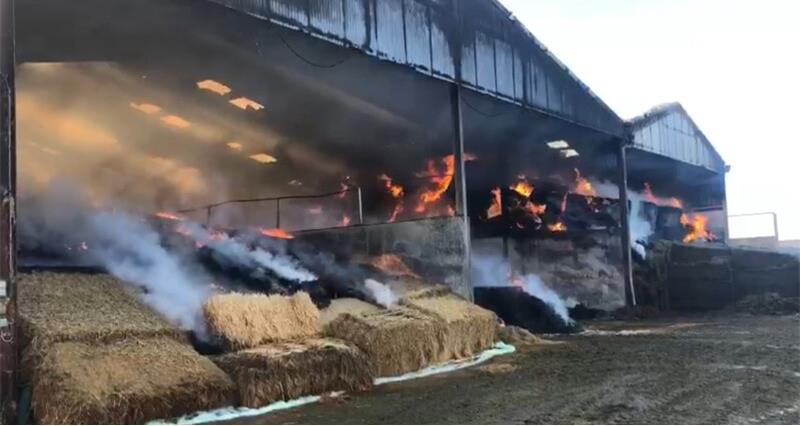
"Farm fires can also cause disruption to local communities, damaging essential infrastructure such as power lines and overhead cables, and causing road closures that interrupt vital services."

Fire suppression kits

NFU Mutual strongly recommends fitting fire suppression systems to high-risk kit, such as combine harvesters. These systems, commonplace in other industries like forestry, are highly effective at stopping small fires spreading and engulfing the entire machine. NFU Mutual offers an insurance discount to policyholders who have combines with the approved fire suppression kits installed.

Hannah added: "To minimise the risk of a farm blaze, it’s vital that farmers develop a detailed fire plan, outlining how to evacuate safely, ensuring buildings are secure, managing livestock, and keeping machinery properly serviced and clean.

"Farm fires continue to put those who produce our food at risk, just as they did over 100 years ago. But together, we can protect our rural communities. We hope this report highlights the impact farm fires have on lives and livelihoods and sparks meaningful conversations about best practise and prevention."

NFU Mutual Risk Management Services (RMS) Farm Fire Prevention Advice

Have a plan in place – Put people at the heart of your fire plan and ensure everyone on site knows what to do in the event of a fire. The biggest priority in the event of a fire is to evacuate everyone safely, including people working in or living around the premises, taking special care to assist any vulnerable people. 

Maintain your electrics – Electrical faults are a major cause of farm fires and electric shocks can cause death or severe injury. Don’t try and attempt electrical work yourself and always use a qualified and competent electrician for work and inspections. DIY modifications, poor environmental conditions (such as wet, damp or acidic atmospheres), rodents, overloaded sockets and simple wear and tear are common causes of electrical fires on farms.

Suppress the risk – Suppression systems play a critical role in detecting, containing and extinguishing fire. Whether you have a biomass boiler or a combine harvester, when working in hot, dry conditions, fire suppression systems can save lives and property. It may also be worth placing water bowsers in fields on hot days. 

Keep on top of your housekeeping – Good housekeeping is essential to ensure materials and machinery are stored correctly and helps to eliminate dust and debris. Cleaning dust and chaff off machines helps heat dissipate from hot parts of machinery. The build-up of waste and materials not only adds to the fuel that can burn in a fire but can block escape routes and cause trip hazards in an emergency. 

Control hot work – Welding, cutting or grinding equipment, along with blowlamps and blow torches, produce sparks which can turn into fires if they hit combustible material. If work can’t be done outside, ensure you are in a clear, open area and far away from combustible materials (including combustible building structures). Anyone carrying out hot works on your farm should be subject to a strict ‘Permit to Work’ system. 

If a fire breaks out:

  • Call the Fire and Rescue Service immediately
  • Make sure everyone is made aware of the fire and evacuate people to a safe location as per your emergency plan
  • Only attempt to fight the fire if it is safe to do so and use the correct and maintained extinguishers
  • Prepare to evacuate livestock, but only if safe to do so, if the fire spreads
  • Prepare to use farm machinery to assist the Fire and Rescue Service, but only on their instruction
  • Ensure you can direct emergency services to the exact location of the fire e.g. download the ‘what3words’ app which pinpoints specific 3m x 3m locations.
  • Send someone to meet and direct the Fire and Rescue Service to the fire
  • Ensure the farm entrance is clearly signed and access kept clear to allow Fire and Rescue Service access

Read NFU Mutual's Farm Fire Report


Ask us a question about this page

Once you have submitted your query someone from NFU Cymru will contact you. If needed, your query will then be passed to the appropriate NFU policy team.

You have 0 characters remaining.

By completing the form with your details on this page, you are agreeing to have this information sent to the NFU for the purposes of contacting you regarding your enquiry. Please take time to read the NFU’s Privacy Notice if you require further information.