Have your say on new powers to tackle fly-tipping – deadline extended
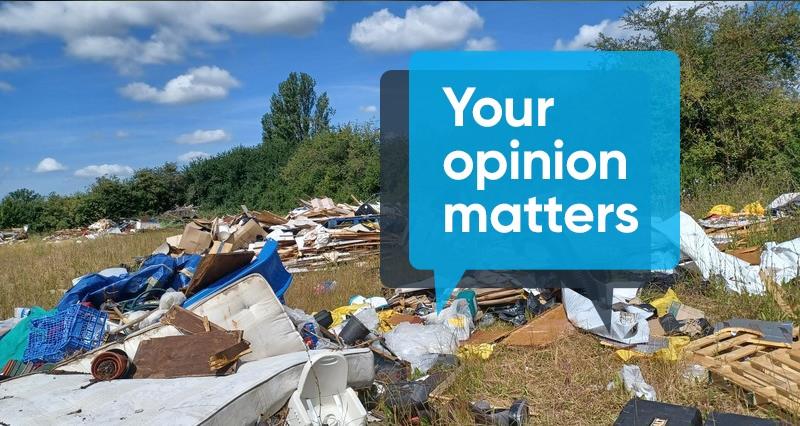
Defra has launched a consultation exploring new powers for local authorities to target fly-tipping offenders.
Summary
- 20 August 2026: Government launches consultation exploring new powers to tackle fly-tipping.
Fly-tipping remains a significant issue for farmers and landowners, leaving businesses to deal with the financial, environmental and practical impacts of illegally dumped waste.
The government has now launched a consultation on proposals to allow local authorities to issue conditional cautions to fly-tipping offenders as an alternative to prosecution.
The NFU is considering its response and wants to ensure members’ experiences and evidence help shape its submission.
You can keep track of the NFU’s progress on this consultation on this page.
Share evidence with the NFU
Make sure your experiences are reflected in government policy – help shape the NFU’s response before Wednesday 7 October 2026.
Government launches consultation
As part of its manifesto commitment to crack down on environmental crime, the government is consulting on introducing powers for local authorities to issue conditional cautions to those who commit fly-tipping offences.
Conditional cautions are a form of pre-court sanction that can require an offender to take specific actions, such as clearing up waste or carrying out restorative activities in the community.
The consultation seeks views on how the measures could work in practice, including whether offenders who fail to comply, or only partially comply, with the conditions should face prosecution.
Government seeks evidence
Alongside views on enforcement, Defra is looking for evidence and information on the likely:
- impact on prosecutions,
- implementation requirements for local authorities and other organisations,
- costs and potential savings arising from offender-led clean-up work, and
- organisations best placed to supervise clean-up and restorative activities.
The consultation also asks for views on any unintended consequences, including environmental impacts, and whether alternative approaches would be more effective in deterring fly-tipping.
Why your input matters
Fly-tipping continues to be our members’ most prolific rural crime. It has serious consequences for farm businesses, with landowners often bearing the cost and responsibility of removing waste dumped on their land.
Member feedback will help the NFU assess whether the proposed measures could provide an effective deterrent and deliver meaningful improvements for the needs of private land managers.
The consultation is now open and closes at midnight on 16 October 2026.
Have your say
Members wishing to review the proposals and submit their views directly to Defra can access the consultation by visiting: GOV.UK | Conditional caution powers to local authorities for fly-tipping offences
Inform the NFU’s response
Those wishing to contribute evidence or comments to inform the NFU’s response are encouraged to do so before Wednesday 7 October 2026 by emailing [email protected].
Should you wish to share your experience of fly-tipping and evidence of impacts on your business please access our dedicated incident form by visiting: Share your fly-tipping incident and help end rural waste crime
Together, we can ensure the experiences of farmers and landowners are reflected in government policy aimed at tackling fly-tipping.